
A 500-year commitment to ecological restoration, community learning, and spiritual connection.
The Ignatius Old-Growth Forest Project is a long-term effort to restore 40 hectares of land at Ignatius Jesuit Centre to healthy forest and wetland ecosystems. Located just north of Guelph, the site stretches from Highway 6 to Victoria Road and includes farmland, meadows, regenerating forests, and the Marden Creek watershed as it flows toward the Speed River. What was once a heavily worked agricultural and milling landscape is now being restored into a protected natural sanctuary, permanently safeguarded through a conservation easement with the Ontario Farmland Trust.

Guided by the Jesuit commitment to care for our common home, the project aims to re-establish the conditions under which an old-growth forest can eventually develop. This work includes reforestation, invasive species removal, stream restoration, soil rehabilitation, and long-term ecological monitoring. Over time, pioneering species will give way to the complex forest communities that once covered this region—trees of many ages and sizes, habitat-rich understory layers, and the biodiversity characteristic of a mature woodland ecosystem.
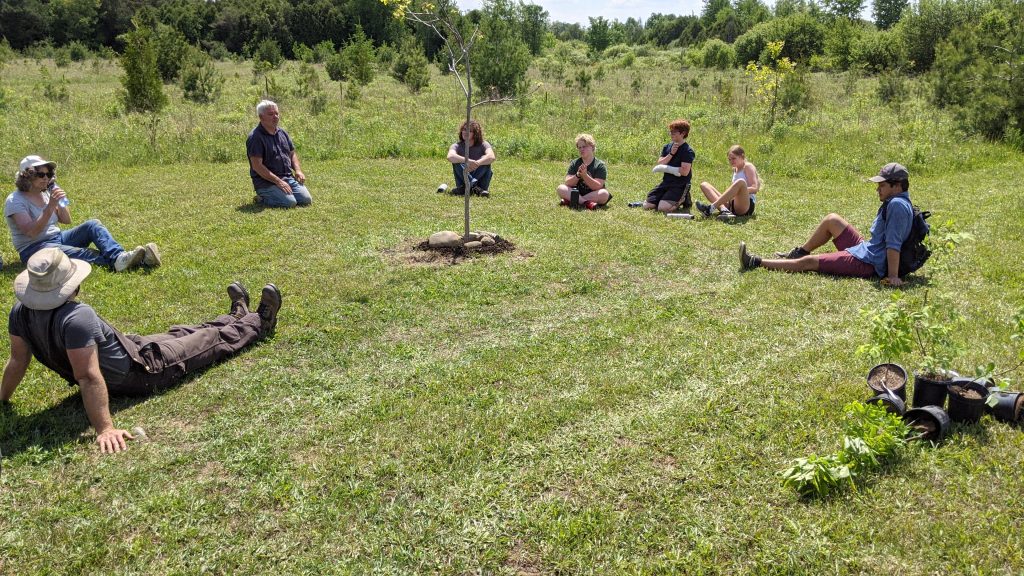
The Old-Growth Forest is both an ecological and educational project. School groups, volunteers, and community members take part in tree planting, habitat restoration, and hands-on learning about climate resilience, watershed health, and native species recovery. The land also offers space for quiet reflection, prayer, and spiritual connection, continuing a long tradition at IJC of integrating ecology and spirituality.
A Brief History and Timeline
The site has a long and layered history. In the early 1800s, the Mickle family dammed Marden Creek to power a sawmill and later a gristmill, clearing much of the surrounding forest for agriculture. The dam remained in place for nearly two centuries, affecting water quality, fish habitat, and the surrounding landscape.
Key milestones include:
2006: Initial collaboration begins between the Ignatius Jesuit Centre and the Guelph International Resource Centre (GIRC) to explore large-scale ecological restoration on the east side of the property. Early conceptual work leads to the idea of re-establishing an old-growth forest ecosystem over several centuries.
2007–2009: Site assessments and ecological planning begin, focusing on soils, hydrology, regenerating vegetation, and historical land use. Community input and conservation planning continue to shape the long-term vision.
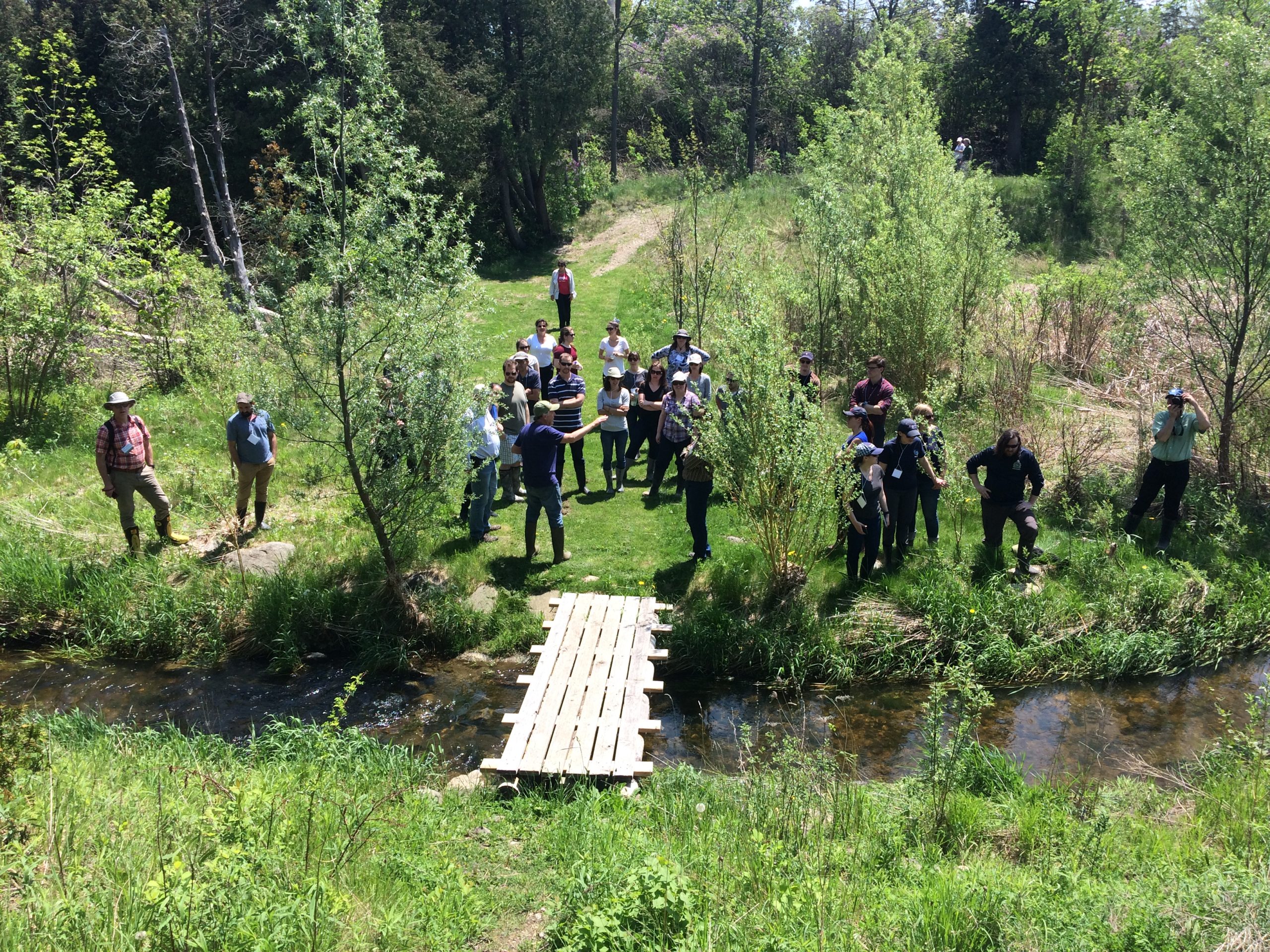
2010: The Marden Creek dam is removed after nearly 180 years, allowing the creek to flow naturally once again. The removal restores cold-water habitat, improves water quality, and re-establishes connection to the Speed River.
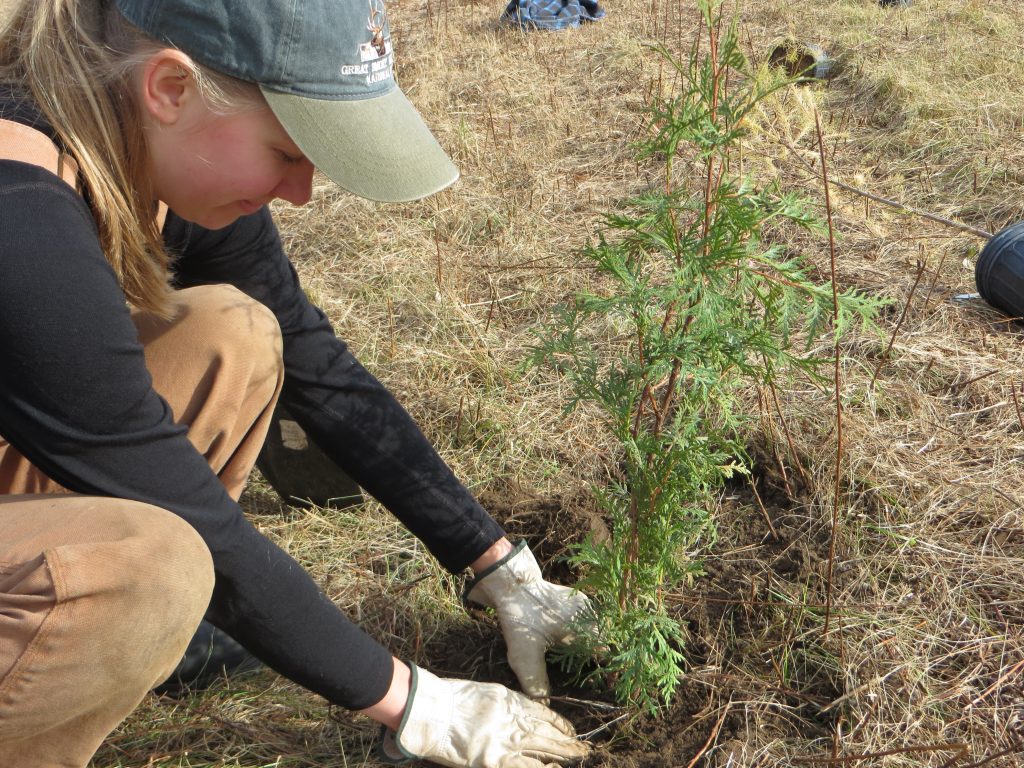
2011–2014: Large-scale community planting efforts begin, with school groups, volunteers, and partner organizations planting thousands of native trees and shrubs. Over 2,000 new trees are planted during this period through partnerships with the GRCA and Wellington County’s Green Legacy program.
2014: The project formally adopts the name Ignatius Old-Growth Forest: The 500-Year Project. The renaming emphasizes the long-term, multi-generational commitment required to restore a mature woodland ecosystem.
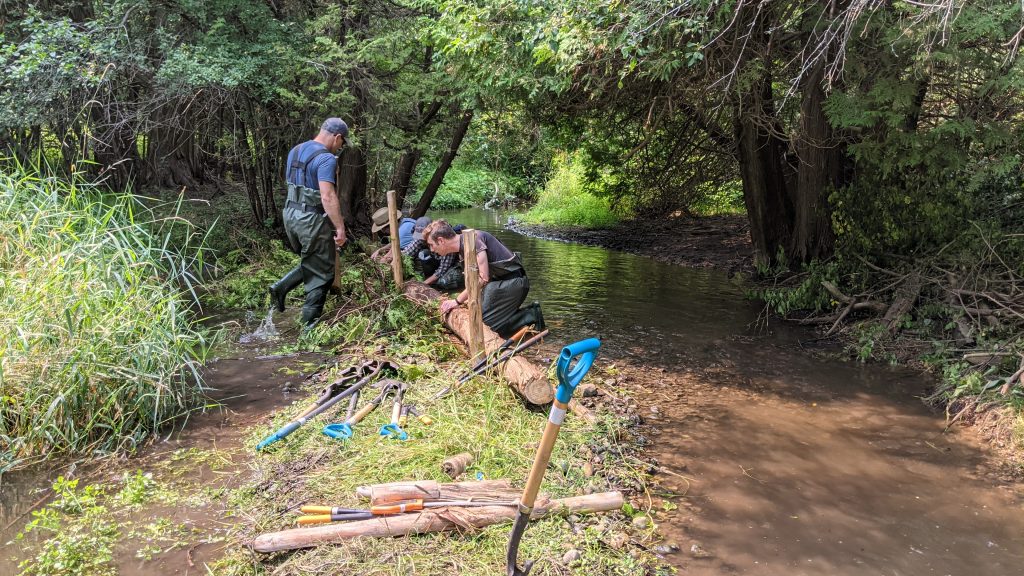
2015–2018: Restoration work expands: invasive species removal, riverbank stabilization, meadow conversion, wetland enhancement, and ongoing forest regeneration. Educational programming grows to include school groups, volunteer crews, and community events focused on ecological restoration and climate resilience.
2019–2021: Ongoing ecological monitoring identifies more than 220 native plant species and 70+ species of wildlife on the project lands, demonstrating the success of restoration efforts. Stewardship events—tree planting, buckthorn removal, trail care—continue with strong volunteer involvement.
2022–Present: The conservation easement with the Ontario Farmland Trust is publicly recognized, cementing permanent protection for the Old-Growth Forest lands. Restoration work continues with expanded community involvement, ecological education, and integration with broader IJC conservation initiatives, including the Ignatius Corridor. Tree planting, invasive species management, and habitat restoration remain annual priorities.
This long-term approach reflects a commitment to future generations. The forest planted today will mature over centuries, eventually becoming the kind of diverse, abundant ecosystem that once defined this region.
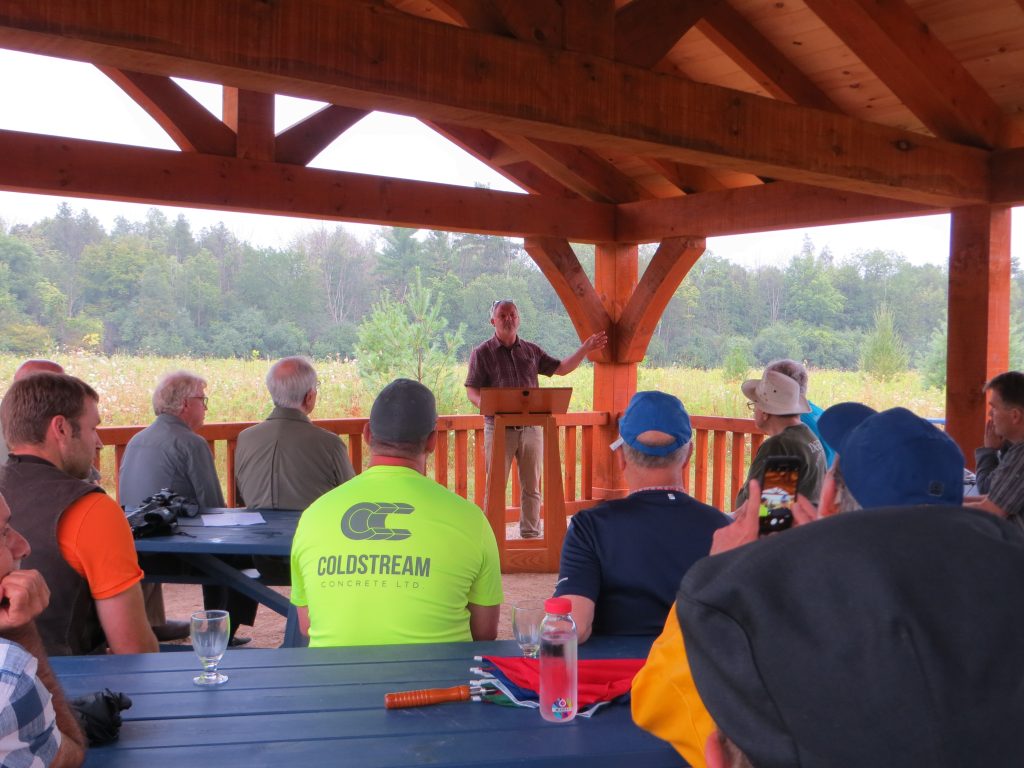
A Place for Gathering: The Old Growth Forest Pavilion
The site includes a simple open-air pavilion alongside the Speed River, providing a quiet and sheltered space for group gatherings, educational programs, and community events. The pavilion is available for rentals during the warmer months and offers a unique setting for reflection, learning, and connection on the land.
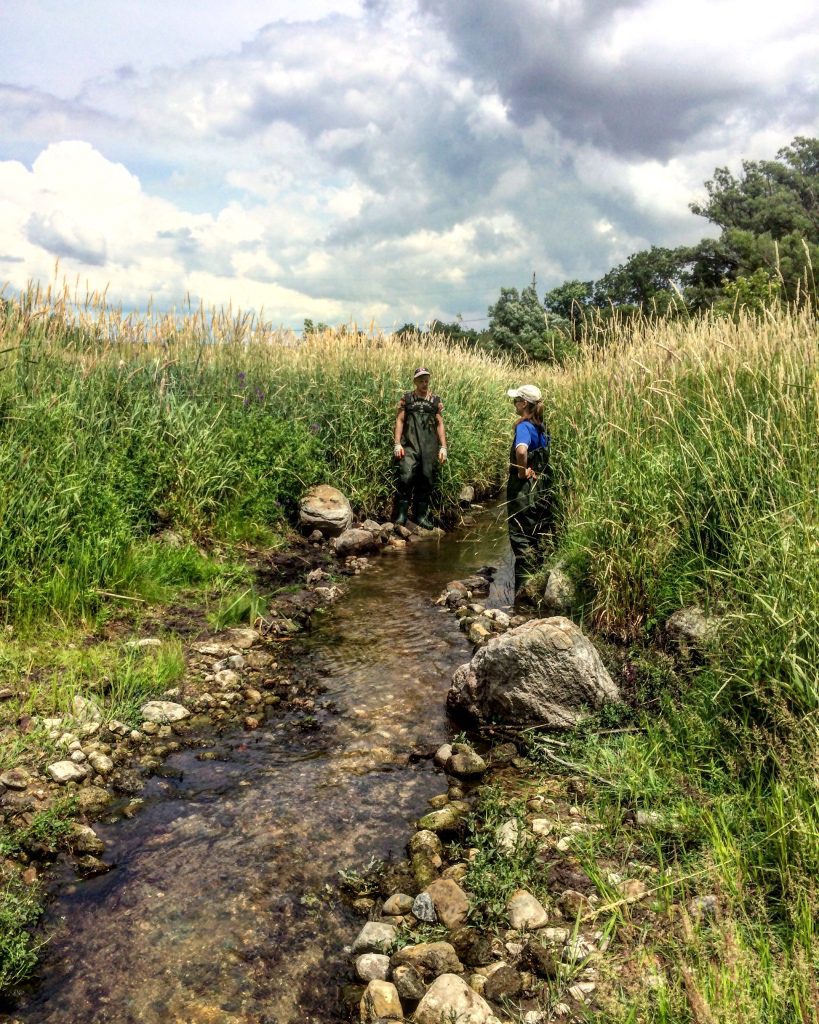
Support the 500-Year Project
All restoration, stewardship, monitoring, and community programming is supported by donations from individuals who value this work and want to help protect the land for future generations. Your contribution helps plant trees, restore waterways, care for wildlife habitat, and sustain this long-term ecological vision.