
Learning from, with, and on the land
The Centre for Integral Ecology is an experiential learning initiative at Ignatius Jesuit Centre. Rooted in the Jesuit tradition and inspired by Laudato Si’, it brings together ecological learning, reflection, community engagement, and hands-on experience with the land. Through workshops, public events, youth programs, and custom learning experiences, participants are invited to explore the relationships between people, communities, and the natural world.
Our Vision
The following reflection by Fr. Dirk Dunfee, SJ, articulates the vision and theological foundations that inspire the Centre for Integral Ecology.
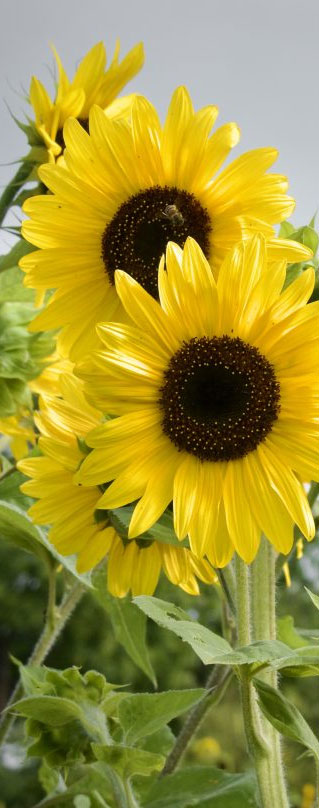
This is God’s world. We human beings belong to it, not as overlords but as loving stewards. Our beautiful, fragile and suffering world is the common home we share with everything that God has made. We must learn to be in the world without causing harm; we must learn to see the world as the sacrament of communion God intended it to be.
The work of the Ignatius Centre for Integral Ecology draws inspiration from Pope Francis’ 2015 encyclical Laudato Si’: On Care for Our Common Home.” Addressed to “every person living on this planet,” and widely seen as the document that will define Pope Francis’ tenure, the encyclical brought the enduring principles of Integral Ecology into the body of Catholic teaching. These principles, utterly consistent with the Gospel message of Jesus Christ, have been practiced by the world’s indigenous peoples for millennia. Now they belong to the Church’s deposit of faith.
Integral Ecology is integral because it embraces the entirety of life on our planet, human and otherwise, recognizing the essential connections between people, between communities, across ecosystems and among living beings of every description. Integral Ecology is ecology because it concerns the planet that is our only home – and the Greek word for house and home is where the word ecology comes from. And home means both a place to live and a feeling of being at home – welcome, safe and cared-for, able to thrive.
Since 1913 the Jesuits have lived, worked and prayed on 600 blessed acres just outside the growing city of Guelph. As the world has changed, the work here has changed; the mission that drives the work remains true to the charism of St. Ignatius of Loyola, who founded the Society of Jesus (the Jesuits) in 1540.
The Ignatius Centre for Integral Ecology is an experiential learning initiative, rooted in the mission and identity of the Society of Jesus and inspired by Pope Francis’ vision for a better world as articulated in Laudato Si’. Our vision brings together education, prayer, reflection, engagement and hands-on experience with the land. We offer a range of programs and workshops for adults and young people alike. Our roots are Catholic; our offerings are open to all people of good will.
As Pope Francis put it in Laudato Si’, “The human environment and the natural environment deteriorate together; we cannot adequately combat environmental degradation unless we attend to causes related to human and social degradation.” If we are to be reconciled to one another and to the rest of creation, if we are to meet the challenges we face, if we are to build a better world for all, we must articulate a more truthful and more fitting story about humanity’s place and role in creation. The world is not a collection of resources to be plundered at will. Creation is not the stuff of dominion and ownership. Sentient creatures are not things to be exploited; instead they are beings whose dignity and value does not depend on their perceived utility but comes rather from their being loved by God. Integral ecology invites us to actively participate in a story that is at once more truthful and more fully-told – one that includes relationships, connection, communion and universal thriving.
How We Learn
The Centre for Integral Ecology is grounded in experiential learning. Some of our most important learning happens not only through reading and discussion, but through direct engagement with the world around us.
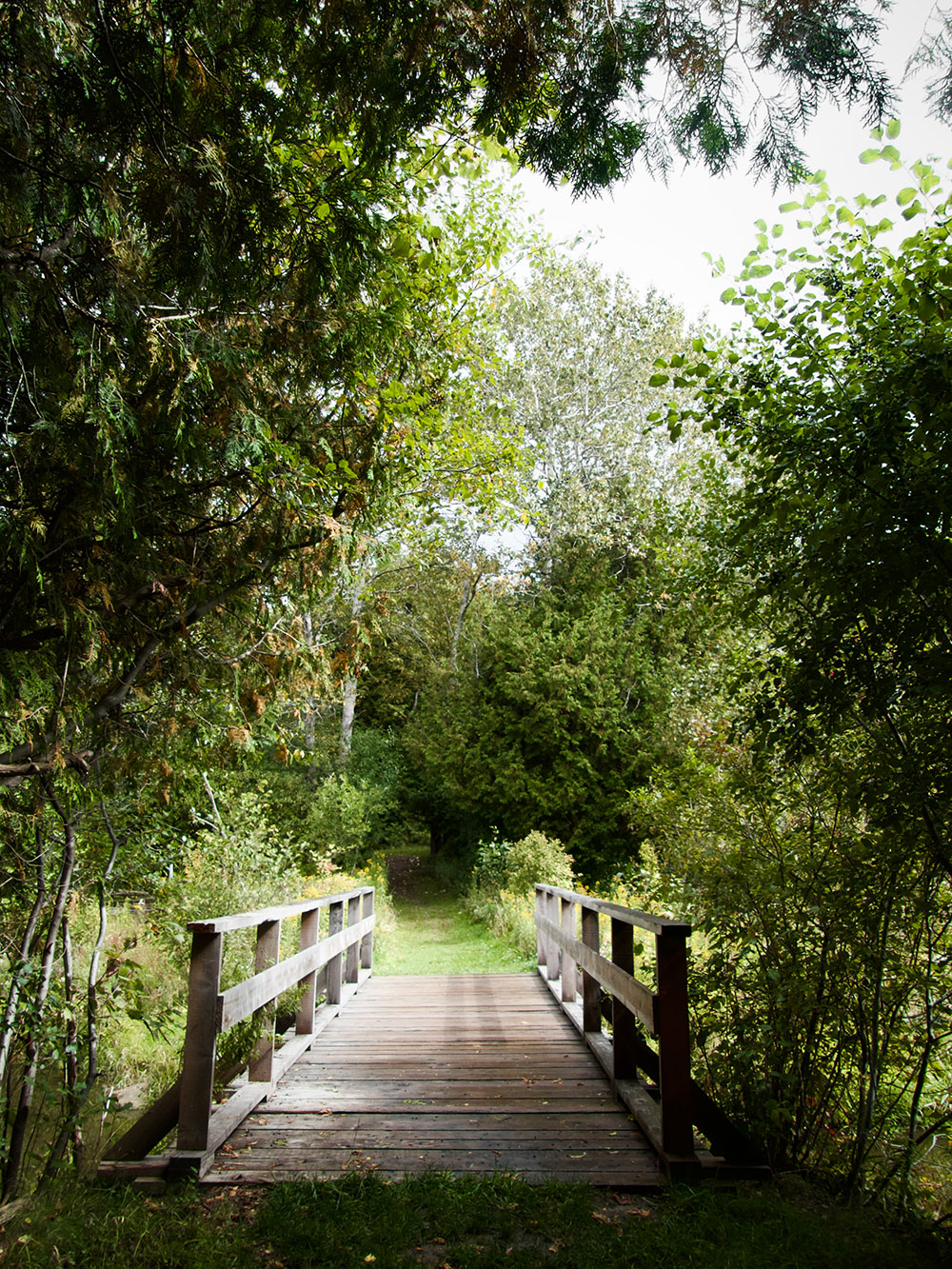
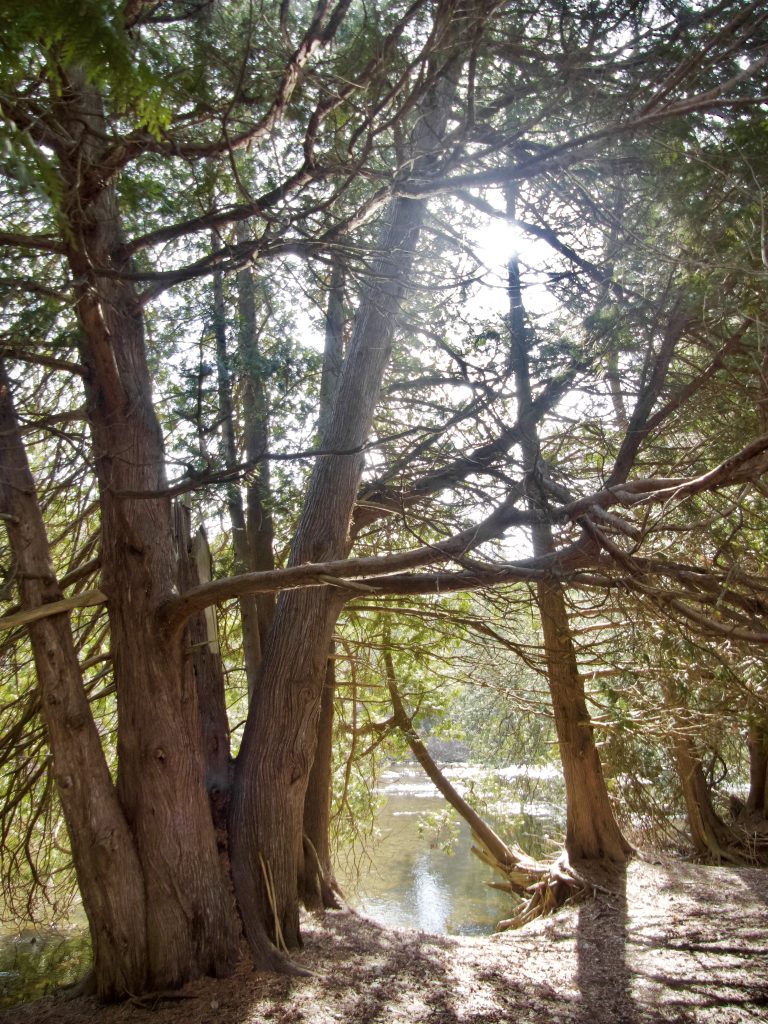
A session on Laudato Si’ may be paired with time on the land. A conversation about food systems may include work in a garden and shared reflection on community and reciprocity. A discussion about biodiversity may lead to participation in habitat restoration and consideration of our responsibilities to future generations. Throughout programs, learning is grounded in direct experience, thoughtful reflection, and practical action.
Learning at the Centre takes place through:
- Workshops and educational programs
- Public talks and community conversations
- Youth and family programming
- Land-based learning experiences
- Conservation and restoration activities
- Research, writing, and publications
- Custom programs for schools, churches, organizations, and workplaces
Explore our Current Programming
View our currently programming list and calendar of events.
Learn more about Integral Ecology
Read and download more resources from the Centre for Integral Ecology