For more than a century, Ignatius Jesuit Centre has been a place where land, spirit, and community meet. The 600 acres of farmland, forest, and wetland have witnessed generations of growth: spiritual, ecological, and human. From the Jesuits who first arrived in 1913 to the volunteers and partners who care for the land today, IJC’s story is one of restoration and renewal.
A Landscape of Faith and Work (1913–1960s)
The conservation story of Ignatius Jesuit Centre begins with the founding of the St. Stanislaus Novitiate in 1913. The Jesuits of the English-speaking Province of Canada purchased Bedford Farm, 600 acres of rolling fields and forest along the Speed River, as a place for study, prayer, agriculture and community life.
From the start, the Jesuits saw the land not only as a resource but as a teacher. Their formation combined study with daily manual labour: tending orchards, maintaining trails, and working the soil. This rhythm of prayer and work, ora et labora, created a deep connection between faith and land that continues to shape IJC’s identity.

Loyola House and the Turn Toward Contemplation (1960s–1980s)
The 1960s brought transformation. Loyola House, first established in Oakville and soon relocated to the Ignatius property, became a hub for Ignatian spirituality and retreat ministry. Retreatants from across Canada came to reflect, pray, and rediscover silence in nature.
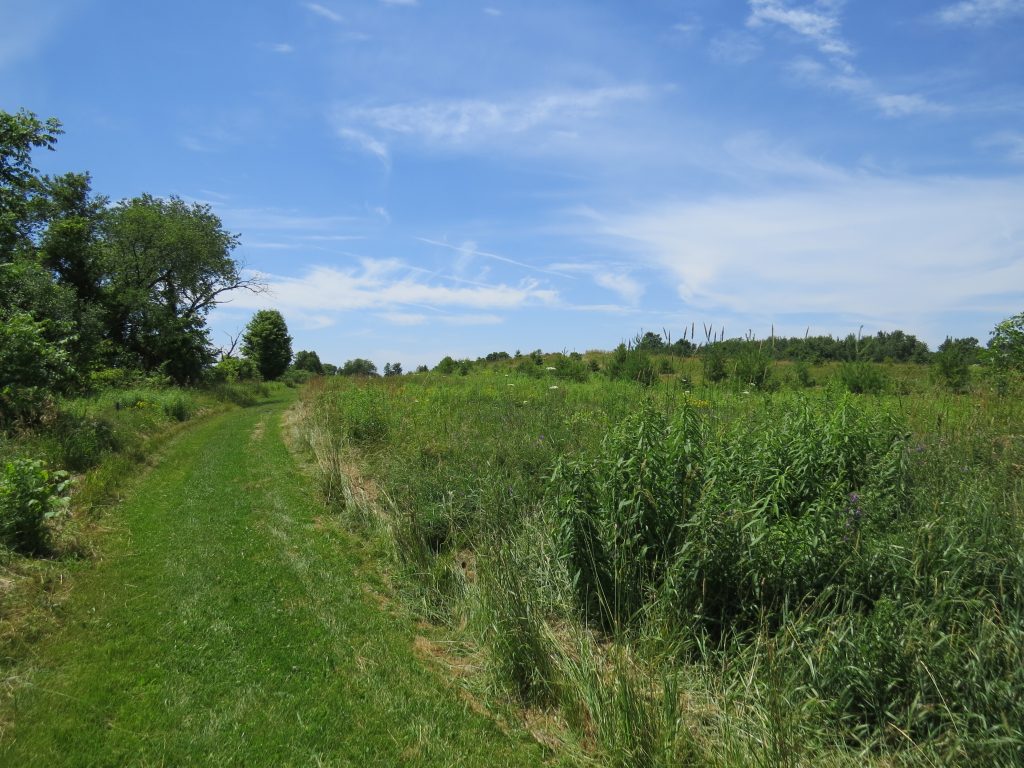
The land itself became central to that experience. Trails and wooded paths were maintained as places for walking prayer and contemplation. Through the 1970s and 1980s, small-scale conservation efforts began, including tree plantings, garden restoration, and the quiet preservation of natural areas. These early practices signaled a growing awareness that caring for the land was itself a form of prayer.
The Farm Community: Restoration of Land and Life (1970s–2000s)
In the 1970s, the Ignatius property entered a new chapter through the Ignatius Farm Community. Rooted in the Jesuit tradition of service and simplicity, the community brought together people seeking healing and belonging through shared work on the land. Many residents were individuals transitioning from the prison system or living with mental health or developmental challenges. Alongside Jesuits and lay companions, they created a life shaped by farming, prayer, and shared meals.
Their work restored both land and spirit. Community members tended gardens, orchards, livestock, and woodlots, understanding manual labour as a form of prayer and reconnection with creation. In caring for the soil and one another, they embodied a vision of ecological and social restoration long before it became central to IJC’s mission.
By the late 1980s, the Farm Community’s influence reached beyond those living on-site. Visitors and retreatants joined in the work, learning the rhythms of sustainable agriculture and shared stewardship. When the residential community closed in the early 2000s, its spirit continued through the founding of Ignatius Farm’s Community Shared Agriculture (CSA) program, which invited the wider public to participate in food production and ecological care.
The Farm Community’s legacy still shapes Ignatius today. It revealed that caring for people and caring for the land are inseparable, and it rooted IJC’s later conservation work in the same spirit of inclusivity, humility, and renewal that once defined life on the farm.
Planting for Centuries: The Old-Growth Forest Project (2006–2011)
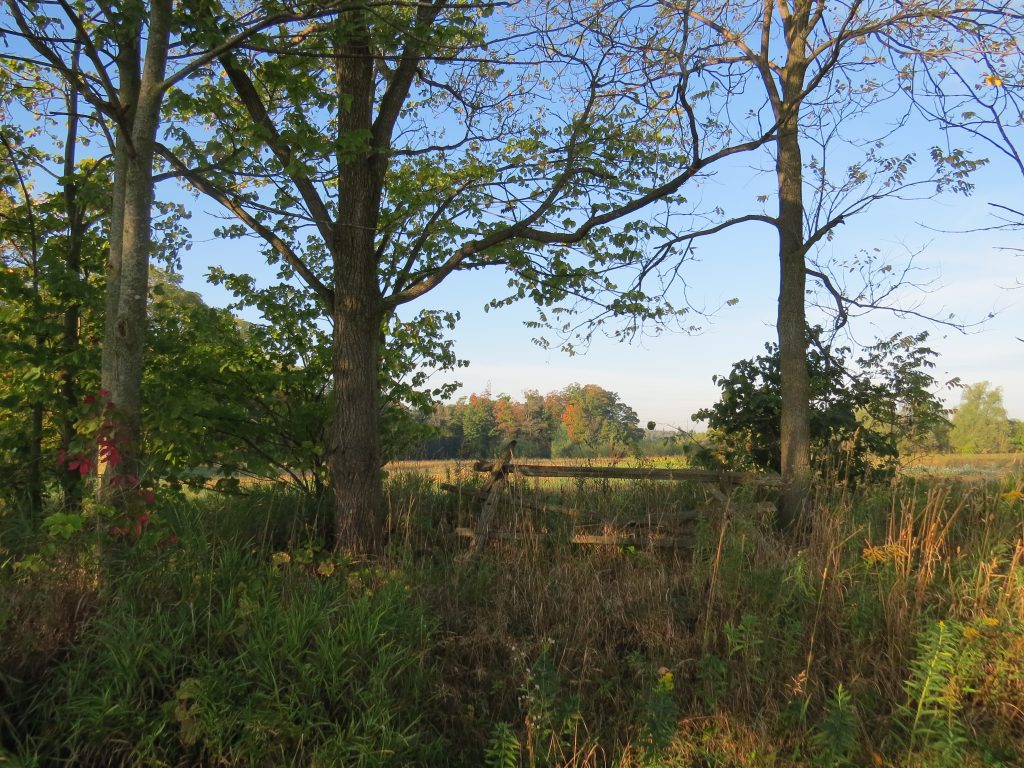
In 2006, Ignatius Jesuit Centre launched its most ambitious environmental initiative yet: the Old-Growth Forest Project. Designed with a 500-year vision, the project has sought to restore native forest ecosystems characteristic of southern Ontario and to protect the site in perpetuity through a conservation easement.
At the time, only 17 hectares of the 93-acre project site were forested. The goal was to double forest cover, restoring ecological connectivity across wetlands, meadows, and the banks of the Speed River and Marden Creek.
Working with ecological consultants Dougan & Associates, IJC produced a comprehensive plan for reforestation and wetland restoration. The plan called for restoring degraded fields, controlling invasive species, and engaging community volunteers in the work of renewal.
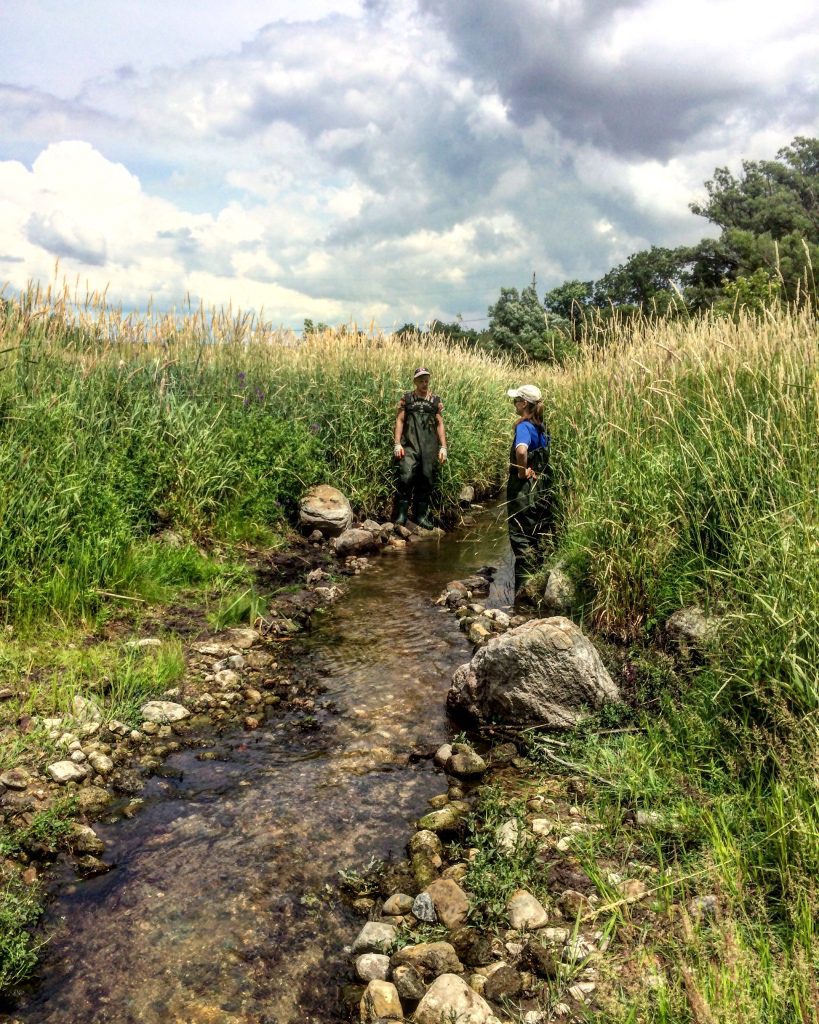
A milestone came in 2010 with the removal of the Marden Creek dam, a long-standing barrier to natural water flow. The newly freed creek reshaped its channel, and native vegetation began reclaiming the exposed soil. This collaboration with the Wellington County Stewardship Council and Freshwater Conservation Canada became a symbol of ecological and spiritual renewal: a physical act of letting the land heal itself.
By 2011, the Old-Growth Forest Project had taken root. The first major plantings began, alongside widespread removal of European buckthorn. The project’s policies, covering tree cutting, pesticide use, and species protection, established a strong foundation for what would become a model of long-term, faith-based ecological restoration.
From Project to Program: Building a Culture of Conservation (2012–2024)
After its early years of visioning and groundwork, IJC’s conservation efforts grew into a structured, year-round program. The 2012 Restoration Plan introduced clear goals and metrics for progress, transforming the Old-Growth Forest Project from a volunteer-driven effort into an institutional commitment.
In 2014, a new Planting and Conservation Workplan detailed an annual calendar of activity, from tree ordering and planting to invasive species management, trail maintenance, and monitoring. The system was simple but powerful: ecological restoration was treated as a continuous practice, not an occasional event.
To support this growing scope, IJC established a Forest Conservation Technician position. This role ensured consistency, oversight, and technical quality in all conservation activities, formalizing ecological work as a standing part of IJC’s operations.
By the late 2010s, the impact was visible. Retired agricultural fields were regenerating into young forest. Forest interior habitat was expanding. Marden Creek and its floodplain were thriving with native vegetation. Conservation had become more than a project; it had become part of IJC’s identity.
A Broader Vision: Conservation as Ministry (Present)
This year, Ignatius Jesuit Centre has begun to reimagine its mission for a new era. As Loyola House plans to transition away from its long standing residential retreat programming at the end of this year, IJC as a whole is shifting toward a land-based ministry rooted in ecological spirituality, community engagement, and integral ecology.
The insights gained from the Old-Growth Forest Project have now expanded into a property-wide framework. IJC’s conservation program works hand in hand with Ignatius Farm’s regenerative agriculture and the emerging Laudato Si’ Field School, creating a living classroom for ecological learning and spiritual renewal.
A cornerstone of this vision is a newly envisioned West-to-East Conservation Corridor being considered for development in partnership with the rare Charitable Research Reserve. This initiative would connect IJC’s forests and wetlands to the broader Speed River watershed, creating continuous habitat for wildlife and resilience for the region’s ecosystems.
Volunteers, partners, and advisory groups continue to drive this work: planting trees, restoring wetlands, monitoring species, and maintaining trails. Together, they embody a principle that has guided Ignatius for more than a century, that care for the land is care for the soul.
The Living Landscape of Ignatius
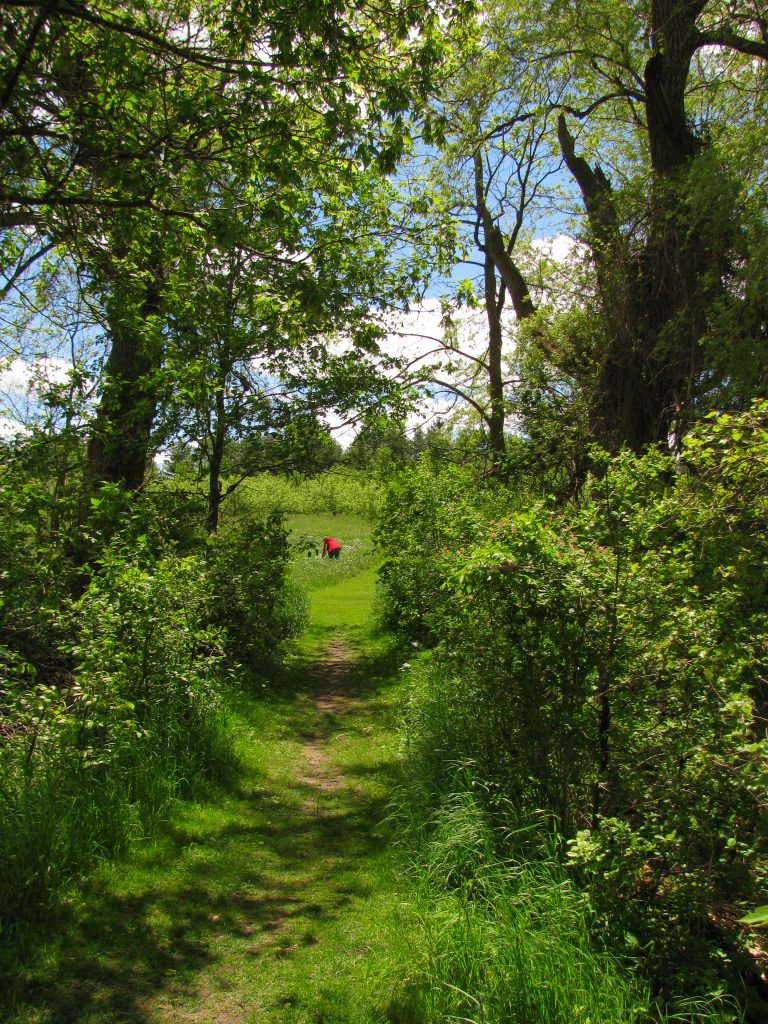
Today, the land at Ignatius Jesuit Centre is a tapestry of renewal. Native forests are growing where crops once stood. Wetlands teem with life. The Farm continues to teach new generations how to grow food responsibly. Trails wind through spaces of prayer and restoration, open to all who seek stillness or purpose.
Conservation at IJC is no longer a separate program; it is the thread that connects everything. It is where faith meets ecology, where community meets responsibility, and where healing extends beyond people to include the land itself.
This work takes place on Treaty 3 lands and territories of the Mississaugas of the Credit. This area has long served as home and meeting place for the Attawandaron (Neutral), Anishinaabe, and Haudenosaunee peoples, and lies adjacent to the Haldimand Tract, the traditional territory and hunting grounds of the Six Nations of the Grand River. Many First Nations, Inuit, and Métis people from across Turtle Island continue to live and build community here today. Our conservation work at IJC is deeply informed by Indigenous teachings that view care for the land as a living relationship — one built on reciprocity, respect, and responsibility. These understandings continue to shape how we approach conservation: by listening to the land, working with natural processes rather than against them, and recognizing that the health of people and place are inseparable.
The restoration and regeneration work underway at Ignatius draws from this spirit of relational care. Each planting, each restored wetland, and each community work bee is a step in renewing right relationship with the land and those who came before us. In this way, IJC’s vision of integral ecology is not new, but part of a much older and ongoing tradition of stewardship that reaches far beyond its own history.
The work will continue for generations to come. Trees planted today will mature long after those who planted them are gone, carrying forward the spirit of care that began here more than a century ago and which has been tended on this land for millennia. Ignatius Jesuit Centre remains, as it has always been, a place where renewal takes root and grows.