Over the past several months, a clearer picture has been emerging at Ignatius Jesuit Centre.
For many years, people have connected with this place in different ways. Some arrived through the farm or community gardens. Others through conservation projects, volunteer opportunities, retreats, workshops, and educational programming. Each of these activities has contributed to the life of IJC in important ways. Increasingly, however, we are noticing something deeper: the connections between them.
As a work of the Jesuits in Canada, Ignatius Jesuit Centre has long been a place where people are invited to reflect on their relationship with God, with one another, and with the world around them.
While the forms of our work have evolved over time, this underlying concern for relationship, stewardship, and human flourishing has remained constant.
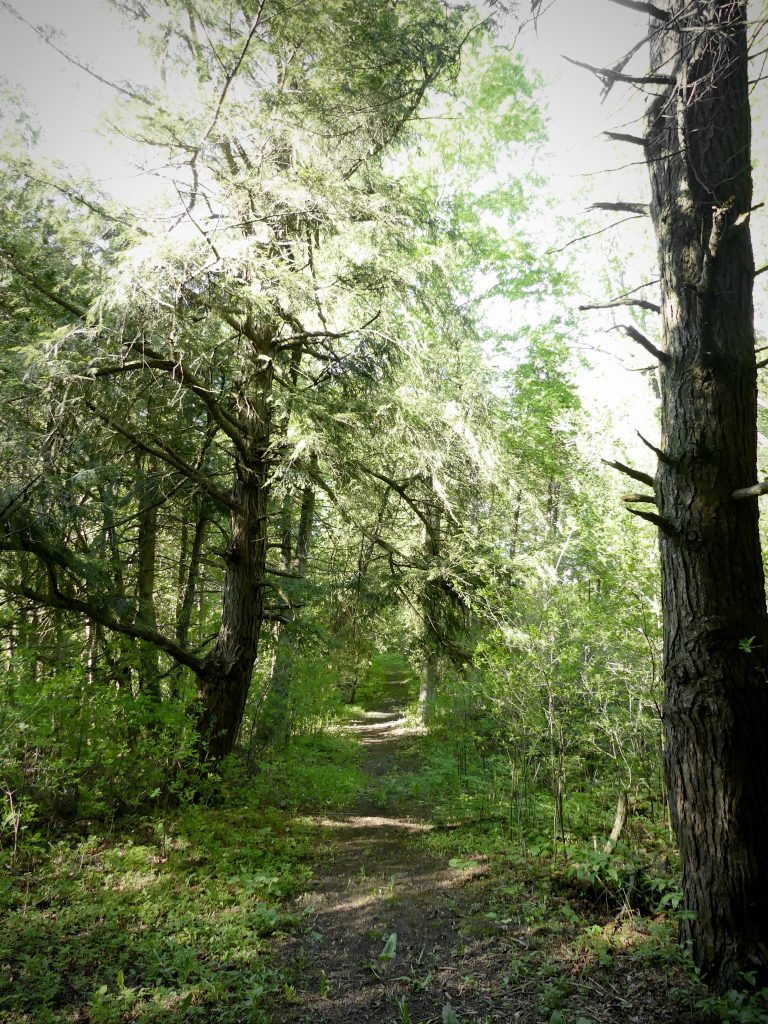
Consider some common examples of how people engage with IJC today. A volunteer spends a morning removing invasive species from a natural area. A community gardener tends a plot throughout the growing season. A workshop participant learns about ecological agriculture. A visitor walks the trails seeking quiet reflection. At first glance, these may seem like very different experiences. Yet all of them invite people to consider larger questions about how we live, work, and care for the places we call home.
What we are discovering is that these activities are not separate so much as they are different expressions of a shared commitment: caring for our common home.
The language of “care for our common home” comes from Pope Francis’ encyclical Laudato Si’. At its heart is the recognition that the wellbeing of people, communities, and the natural world are deeply interconnected. We cannot care for the land without caring for people. We cannot strengthen communities while neglecting the ecosystems that sustain them. The challenges we face are interconnected, and so too must be our response.
Integral Ecology in Practice
This understanding has increasingly shaped the direction of the Centre for Integral Ecology and, more broadly, the work taking place across the property.
Rooted in the Jesuit tradition and inspired by the vision of Laudato Si’, the Centre for Integral Ecology exists to help people explore the connections between ecological, social, cultural, economic, and spiritual questions. Rather than treating these concerns separately, integral ecology invites us to see how they influence one another and to respond in ways that strengthen relationships between people, communities, and the natural world.
Over the past several months, programs such as Laudato Si’ in a Hurry (an introduction to integral ecology and care for our common home) and Reciprocity in Practice (a season-long exploration of Indigenous teachings through growing a Three Sisters garden) have invited participants to engage these ideas through both discussion and hands-on experience. This spring also marked the completion of our four-part EcoProphet Series, which explored the lives and ideas of influential voices in ecological thought. The sessions were well attended and generated thoughtful conversation, and we are excited to be planning another series for the fall.
For us, this work is not simply about acquiring knowledge. It is about cultivating ways of living that foster healthier relationships with one another, with the land, and with the larger community of life of which we are a part.
A Season of Learning, Stewardship, and Community
This spirit has been visible across the property throughout the spring and early summer.
In May, the Community Gardens came to life once again as more than 200 garden plots were opened for the season. Our annual seedling sale provided thousands of seedlings for gardeners both on and off the property, helping launch another year of food growing, learning, and community building.
On the farm, we welcomed growers and community members for a Small Plot Farm Tour in partnership with EFAO, creating opportunities to share practical knowledge about ecological agriculture and small-scale food production. We also welcomed two participants in our Volunteer Agroecology Internship program, who are spending the season learning through hands-on work in regenerative farming and agroecology.
This spring also saw the launch of our Community Care Box pilot program. Now two weeks into the season, the response has been encouraging. The program provides fresh produce from the farm while supporting broader efforts around food access and community wellbeing. Because registrations are available week by week, there is still plenty of opportunity for new participants to join throughout the season.
Conservation work has remained equally active. Volunteers have contributed hundreds of hours to invasive species management, habitat restoration, native planting, and trail stewardship. Their ongoing commitment has become an essential part of caring for the ecological health of the property.
With support from rare Charitable Research Reserve, we recently released stem-boring moths along Marden Creek as part of an innovative biological control project aimed at reducing invasive phragmites.
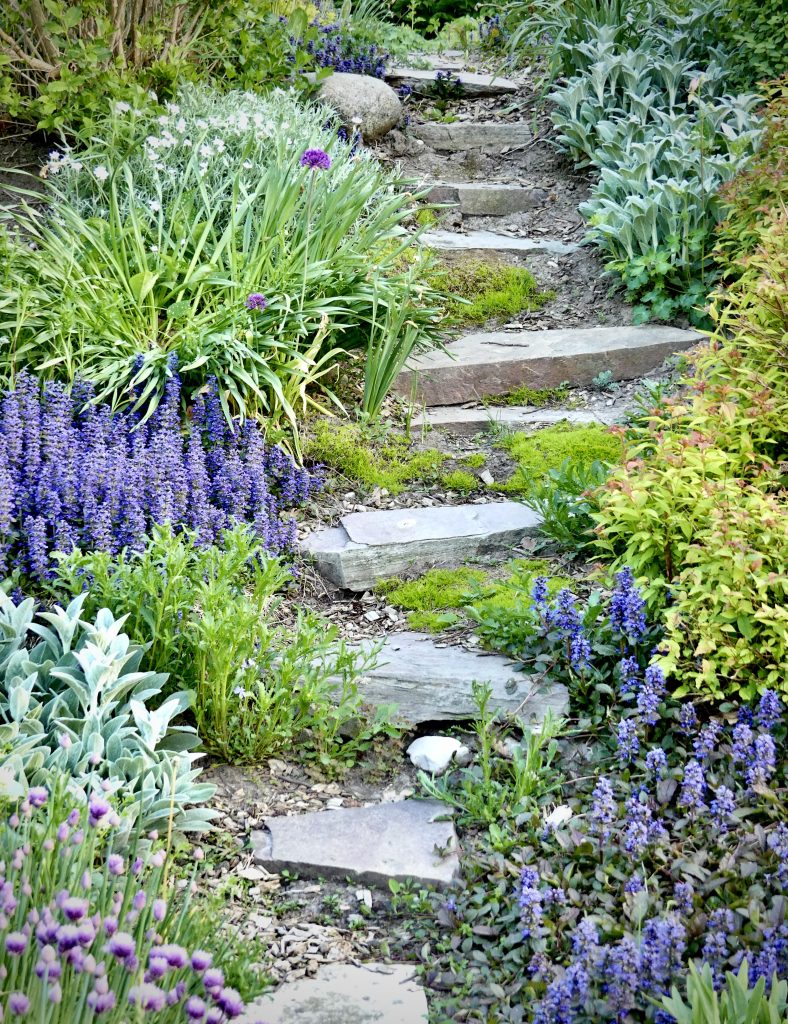
We also partnered with Pollination Guelph to host two pollinator garden refresh events, helping improve habitat for native pollinators while engaging community members in practical restoration work.
We were pleased to participate in this year’s City Nature Challenge alongside organizations and residents across Guelph. Events like these help strengthen connections between local conservation efforts while encouraging people to engage more deeply with the biodiversity of their own communities.
More recently, we welcomed Nature Guelph for a well-attended Beaver Walk, offering participants an opportunity to learn about the important role beavers play in wetland ecosystems and watershed health.
Growing Through Partnership
Much of this work depends on the partnerships that continue to grow around Ignatius Jesuit Centre.
This spring, we welcomed Roberto Jaramillo, SJ, Secretary for Social and International Ministries for the Jesuits, for a visit to the property. During his time with us, staff shared emerging plans for the Centre for Integral Ecology and explored how ecological stewardship, community engagement, and Jesuit mission are increasingly coming together at IJC.
We are also excited to be working with Crow Shield Lodge to explore the development of an educational and cultural learning space on the property. While still in the planning stages, the project reflects a shared commitment to creating opportunities for learning, relationship-building, and connection with the land.
Alongside this work, conversations continue with Eli’s Place and other community partners who share an interest in creating spaces for learning, healing, stewardship, and community building.
Each of these partnerships reflects a recognition that many of the challenges facing our communities are interconnected and that meaningful responses require collaboration across different perspectives, experiences, and traditions.
Looking Ahead
As we look ahead, one of our priorities is creating more opportunities for people to participate in this work at different stages of life and in different ways.
This summer, that includes the launch of The Great Family of Earth, a new children’s program that invites young participants to explore wonder, belonging, and connection with the natural world through outdoor learning and discovery. Rooted in the spirit of St. Francis’ Canticle of the Creatures, the program encourages children to experience themselves as part of a larger community of life and reflects our growing commitment to ecological learning across generations.
At the same time, adults continue to find opportunities for learning and engagement through programs such as Reciprocity in Practice, community garden meet-ups, volunteer stewardship initiatives, and upcoming sessions of Laudato Si’ in a Hurry. Together, these experiences offer different entry points into a common conversation about how we care for one another, care for the land, and respond to the challenges facing our communities.
We are also looking forward to additional workshops, seasonal gatherings, and learning opportunities later this year, building on the strong participation we have seen throughout the spring.
This is the direction in which we see the work evolving. Our goal is not simply to offer more programs, but to deepen the relationships between the work already taking place here. Food growing, conservation, ecological education, spiritual reflection, volunteer engagement, and community partnerships are increasingly informing and enriching one another. The boundaries between our activities are becoming less important than the connections between them.
A Community Effort
Perhaps the clearest sign of these growing connections is the number of people who continue to contribute their time, energy, and expertise to this place. This season has seen remarkable participation across the property, from community gardeners and workshop participants to conservation volunteers, farm volunteers, event attendees, donors, and community partners. Much of what has been accomplished this spring and early summer would not have been possible without their support.
A special thank you goes to the many volunteers who have given their time throughout the season. From conservation projects and pollinator gardens to farm work, community events, and trail stewardship—even help with tidying up Loyola House in anticipation of our partnership with Eli’s Place—their contributions have touched nearly every aspect of life at Ignatius Jesuit Centre. The growing level of volunteer participation we have seen this year is both encouraging and deeply appreciated.
As we continue exploring what it means to care for our common home, we remain grateful for the growing community that makes this work possible. Together, we are discovering that caring for creation is not simply one aspect of what happens at Ignatius Jesuit Centre. It is the thread that connects all of it.