Where We Are in the Transition
Over the past year, Ignatius Jesuit Centre has been working to clarify its future direction. Increasingly, the farm, conservation work, spiritual programming, and community engagement are being brought together as part of a more connected vision for the land.
Much of the work of the past several months has focused on laying the groundwork for that future. Alongside the visible work happening on the land, there has also been a great deal of behind-the-scenes effort to strengthen finances, improve planning, and build the partnerships needed to support this next chapter.
What’s Been Happening
Centre for Integral Ecology
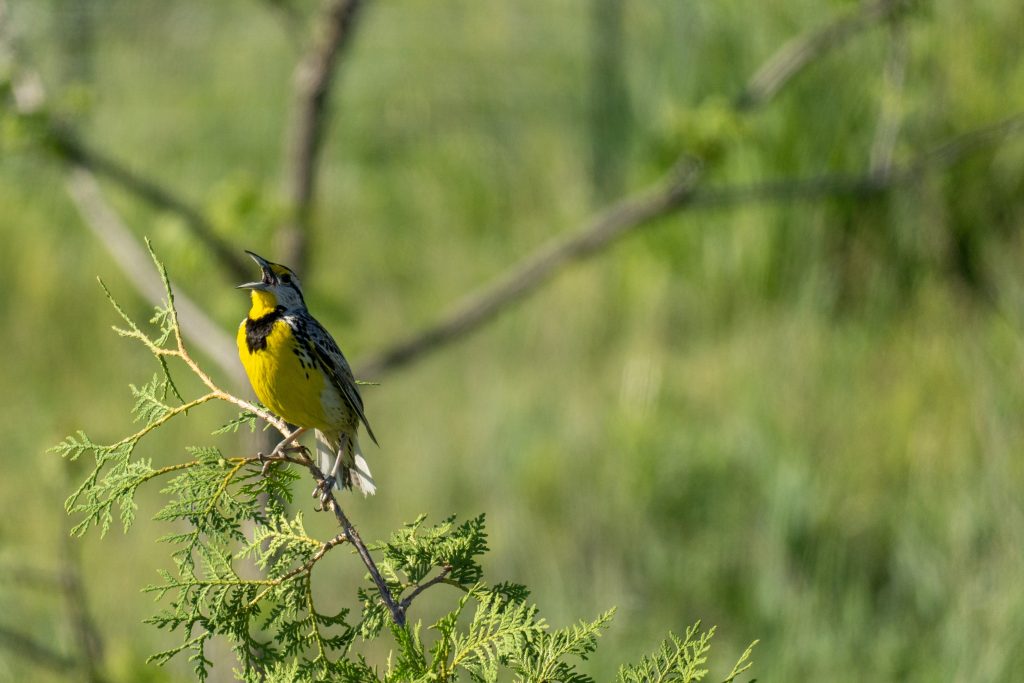
One of the clearest expressions of this new direction is the Centre for Integral Ecology, which will begin launching its first pilot programs over the next month or two. Rooted in the vision of Laudato Si’ and Pope Francis’ call to care for our common home, the Centre is being developed as a place where ecological learning, spiritual reflection, and practical experience on the land come together.
This spring, we will begin piloting a number of new programs, including workshops, retreats, and hands-on learning opportunities connected to farming, conservation, food, spirituality, and ecological restoration. One of the first of these will be Fr. Dirk Dunfee SJ’s “Laudato Si’ in a Hurry” workshop, which is intended to provide an accessible introduction to integral ecology, ecological conversion, and Pope Francis’ call to care for creation.
Sr. Madeleine Gregg fcJ’s Spring 2026 EcoProphet Series offers a set of online evening sessions held over Zoom exploring the lives and work of influential ecological thinkers and practitioners. Together, these programs are intended to offer different ways for people to engage — whether through practical work on the land, spiritual reflection, or discussion and learning.
At the same time, we are reviewing at least ten additional prospective program offerings for calendar 2026 with our CIE advisory group. Discussions have also begun with potential contract faculty and facilitators who may help lead some of these programs in the months ahead, and our farm team has begun specific planning work to create the land-based teaching spaces needed to support them.
Positive conversations are also continuing with Crow Shield Lodge, an Indigenous land-based healing and education organization based in Cambridge and Kitchener-Waterloo. They are considering establishing a land-based education site in Guelph, and we have invited them to consider Ignatius Jesuit Centre as a possible location. As the land has begun to thaw this spring, we were pleased to spend time walking the property together and exploring a number of possible sites for their future education space. These discussions are progressing well and reflect our ongoing commitment — and that of the Jesuits in Canada — to reconciliation and to building respectful relationships with Indigenous communities and organizations.
Farm and New Farmer Training
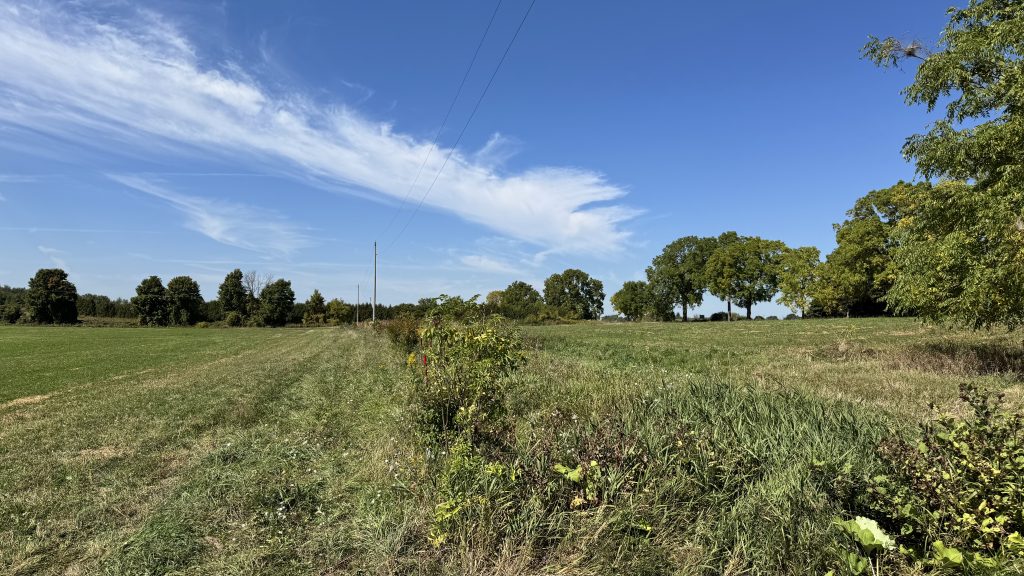
On the farm, we have recently launched the new Community Care Box program. Each box purchased will help support the distribution of fresh produce to local partners, including Hope House, Chalmers, and Wellington Women in Crisis. The program is designed not only to provide food for subscribers, but also to strengthen our ability to share healthy, locally grown produce with people in the wider community.
The boxes are grown as part of Ignatius Farm’s commitment to both learning and giving, with produce grown by staff, volunteers, interns, and trainees using regenerative and agroecological practices. In this way, the Community Care Box program supports not only food access, but also farmer training, ecological stewardship, and hands-on learning. Each week’s harvest will reflect both the season and the learning taking place on the farm, helping people connect more directly to the land and the work behind their food.
We are also continuing to build out our New Farmer Training work in partnership with the Ecological Farmers Association of Ontario. Together, we are strengthening the curriculum and training materials used at Ignatius Farm so that the program can continue to grow and evolve over the long term. This year, we are offering more flexible training opportunities throughout the season, along with a part-time volunteer agroecology internship for new farmers seeking hands-on experience alongside experienced growers.
The orchard has also seen significant work over the winter. Many of the trees were pruned back substantially to improve airflow and reduce disease pressure. In some cases, this pruning may look drastic, but it was long overdue and is an important step toward improving the long-term health and productivity of the orchard.
Our farmer training work has also extended beyond Guelph. During the winter, Lisa Conroy, our farm instructor, travelled to the Thunder Bay Correctional Centre on two occasions to deliver a pilot version of our farmer training curriculum to inmates. Approximately 80% of the inmates at Thunder Bay Correctional Centre are Indigenous, making this work particularly meaningful in the context of reconciliation, food sovereignty, and land-based learning. The program combined introductory lessons with more in-depth hands-on activities and was very well received by both inmates and staff. Participants reported increased confidence and interest in growing food, with several expressing enthusiasm about using these skills after their release.
We are now working on a proposal for a second phase of this work with the Thunder Bay Correctional Centre. The next stage would involve creating a more fully produced version of the introductory learning materials, including video modules and supporting resources, so that the training can continue to be used with successive groups of inmates over time.
Conservation Work
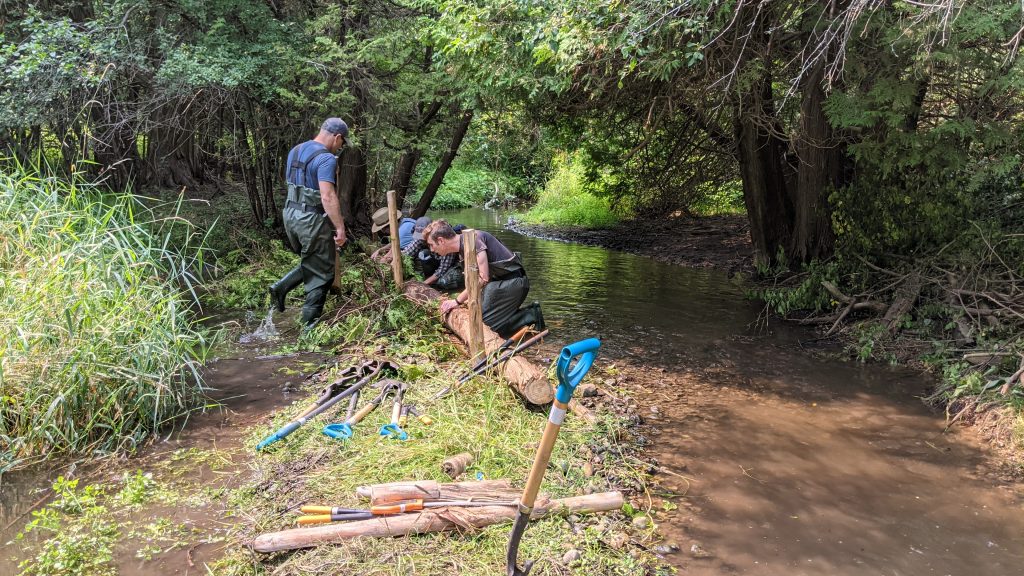
Conservation work remains an important part of the broader vision for the property. Over the past several months, staff have continued planning for the next phase of restoration work, with the long term goal of beginning work towards the new Ignatius Corridor.
To support this work, we have submitted a number of grant applications related to invasive species management, ecological restoration, and biodiversity assessment. If successful, this funding would allow us to begin a full bio-inventory of the corridor and undertake more active restoration work, including invasive species removal and a clearer assessment of the ecological conditions across that landscape.
During the winter months, much of the conservation team’s work has focused on planning future projects, preparing grant applications, and identifying the equipment and resources needed to support this work. We were also grateful to receive a small grant administered through the Nature Conservancy of Canada to help purchase equipment related to invasive species management.
At the same time, work is underway to scope and plan site-wide arborist and tree work to address dead, damaged, or fallen trees where needed across the property. We are also revising and standardizing our land use agreement for tenants and partners so that everyone operating on the property is working from the same clear understanding of expectations, responsibilities, and commitments.
This work is intended not only to improve habitat and biodiversity, but also to help create new opportunities for education, volunteer involvement, and land-based learning connected to conservation and ecological stewardship.
Financial and Organizational Foundations
A great deal of work has also been happening behind the scenes. Grant writing and fund development are becoming a larger and more intentional part of our work, with the goal of building a stronger financial foundation for the future.
At the same time, our accounting and administration team has been doing the detailed work of reviewing past financials and catching our systems up to real time. This work is helping us build a much clearer understanding of the organization’s financial position, where resources are coming from, and how they can best be directed in support of IJC’s priorities.
Loyola House and Eli’s Place
Progress is also continuing toward the future use of Loyola House. Formal documents have now been delivered to Eli’s Place, marking an important step toward establishing this partnership. Preparatory work is continuing as we begin planning for the future transition of the space and work through the practical details needed to support implementation.
What’s Coming Next
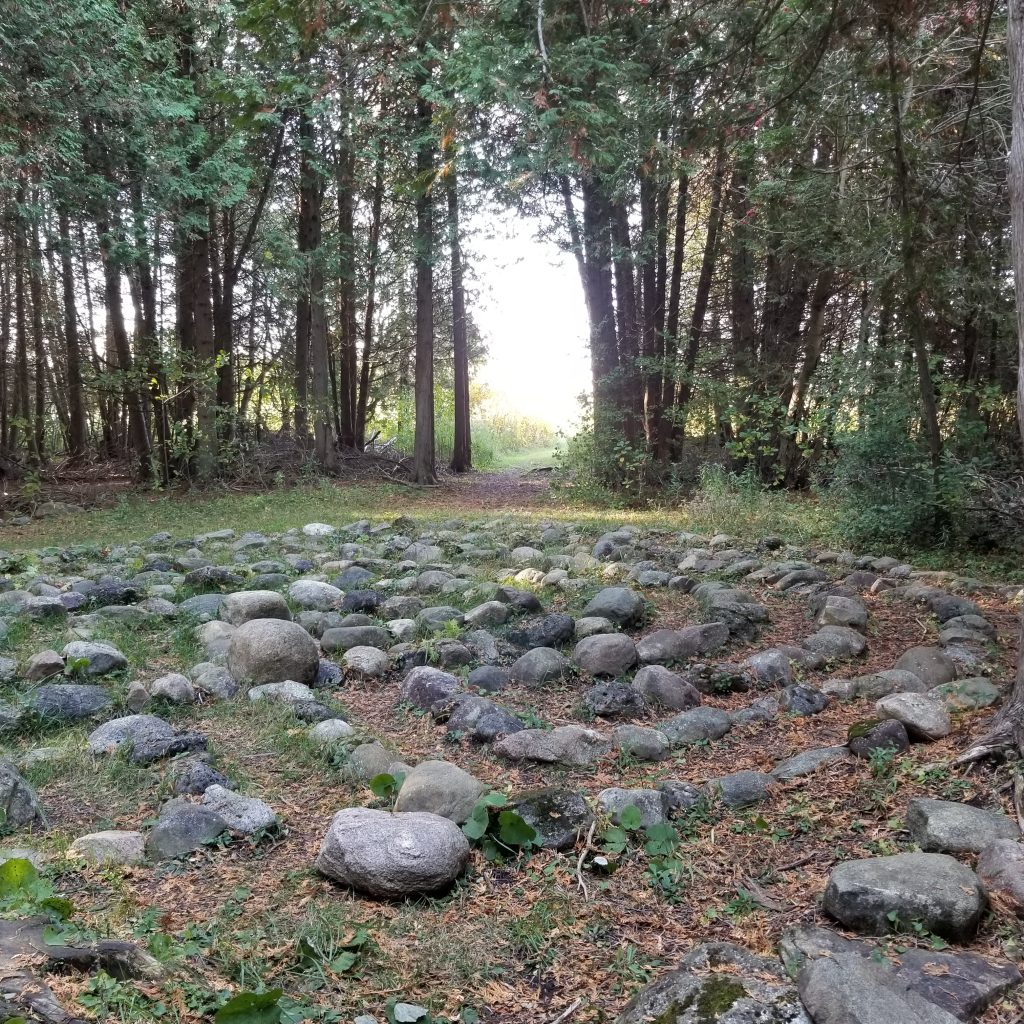
Over the next several months, many of these changes will become more visible.
The Centre for Integral Ecology will continue to expand its programming, offering more opportunities for people to learn, reflect, pray, and participate directly in the life of the land. Our hope is that these programs will help people deepen both their ecological understanding and their sense of spiritual connection and responsibility toward creation.
As the growing season begins, the farm will become much busier. Food production, training programs, internships, and volunteer opportunities will all be underway at the same time. The Community Care Box program will begin weekly distribution in June, increasing both the amount of food being grown and the amount being shared with community partners.
A beautiful new chapel is currently under construction in the office wing of Loyola House. Though small and compact, we are working to create a welcoming space for prayer, reflection, and gathering.
One possibility under consideration is moving the St. Kateri Tekakwitha stained glass windows from the prayer room at the back of Loyola House into the new chapel. Because the new chapel window is somewhat wider, we are in discussions with the original stained glass artist about how the windows might be carefully expanded and adapted for the space while still being handled with the care and respect they deserve.
Plans are also underway to relocate “Ignatius the Pilgrim,” the William McElcheran sculpture that many people know as the “leaning” St. Ignatius, from the back of Loyola House to a location closer to the front office entrance. The sculpture depicts St. Ignatius leaning into the wind as a symbol of faith, discernment, and the Jesuit call to go forth into the world. Moving it will help ensure that it remains visible and accessible to our community and the public after Eli’s Place moves into the residential portion of Loyola House later in 2026.
Work is continuing toward finalizing agreements with Eli’s Place, with the expectation that their residential program will begin in the fall of 2026.
Taken together, these efforts are helping to build a stronger foundation for the future of Ignatius Jesuit Centre: one rooted in care for the land, spiritual formation, ecological restoration, and service to the wider community.