In this piece, Carsten Knoch, Senior Director, Transition, shares his reflections on learning from the land at Ignatius Jesuit Centre—and how the same care and renewal we bring to our soil and forests can guide how we tend our organization itself.
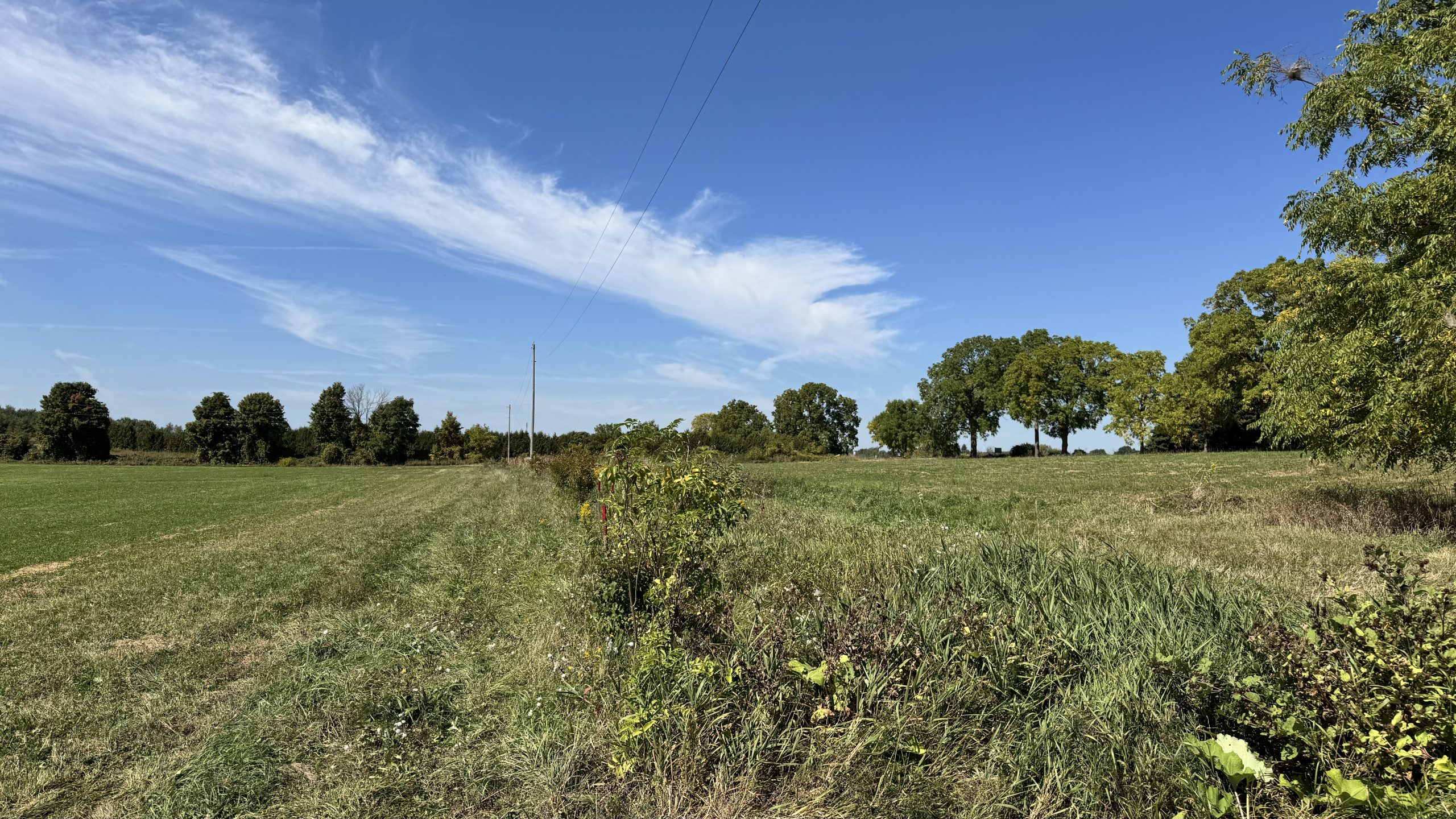
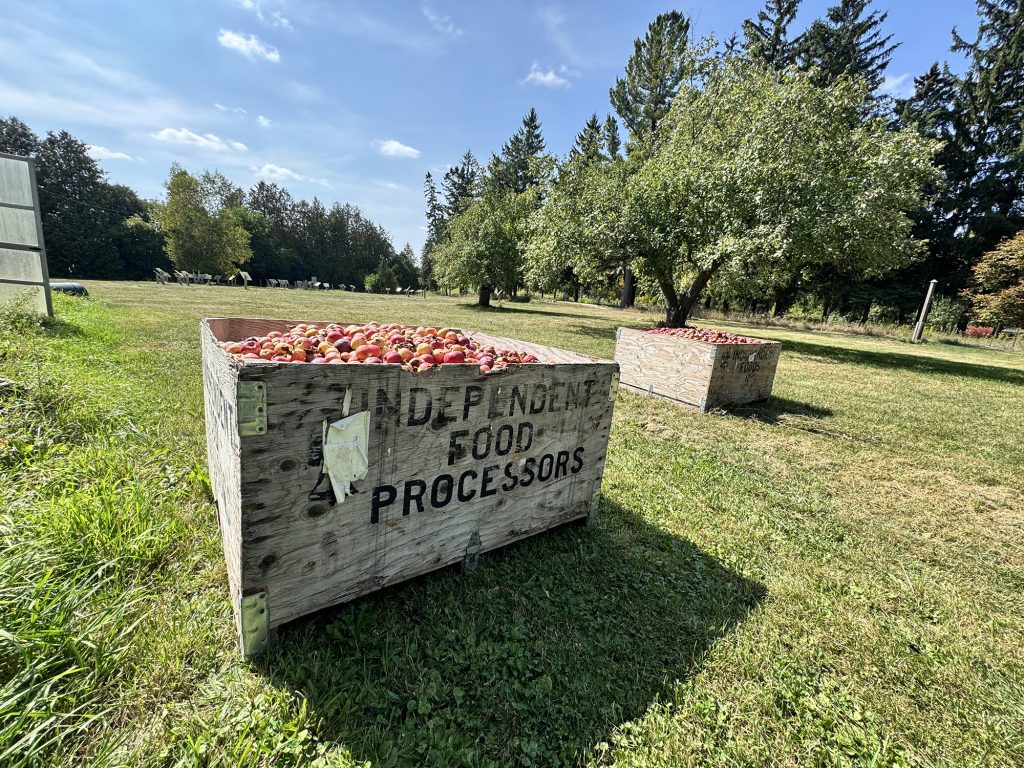
Since starting to work at Ignatius Jesuit Centre in March of this year, I have observed that we treat the land with an extraordinary degree of care. On our 240 acres of farmland, we follow organic and regenerative principles. We also require our community gardeners and farm tenants to follow these principles. The aim is to care for the land as best as possible, to build and rebuild the soil so that it supports crops now and remains viable in the future.
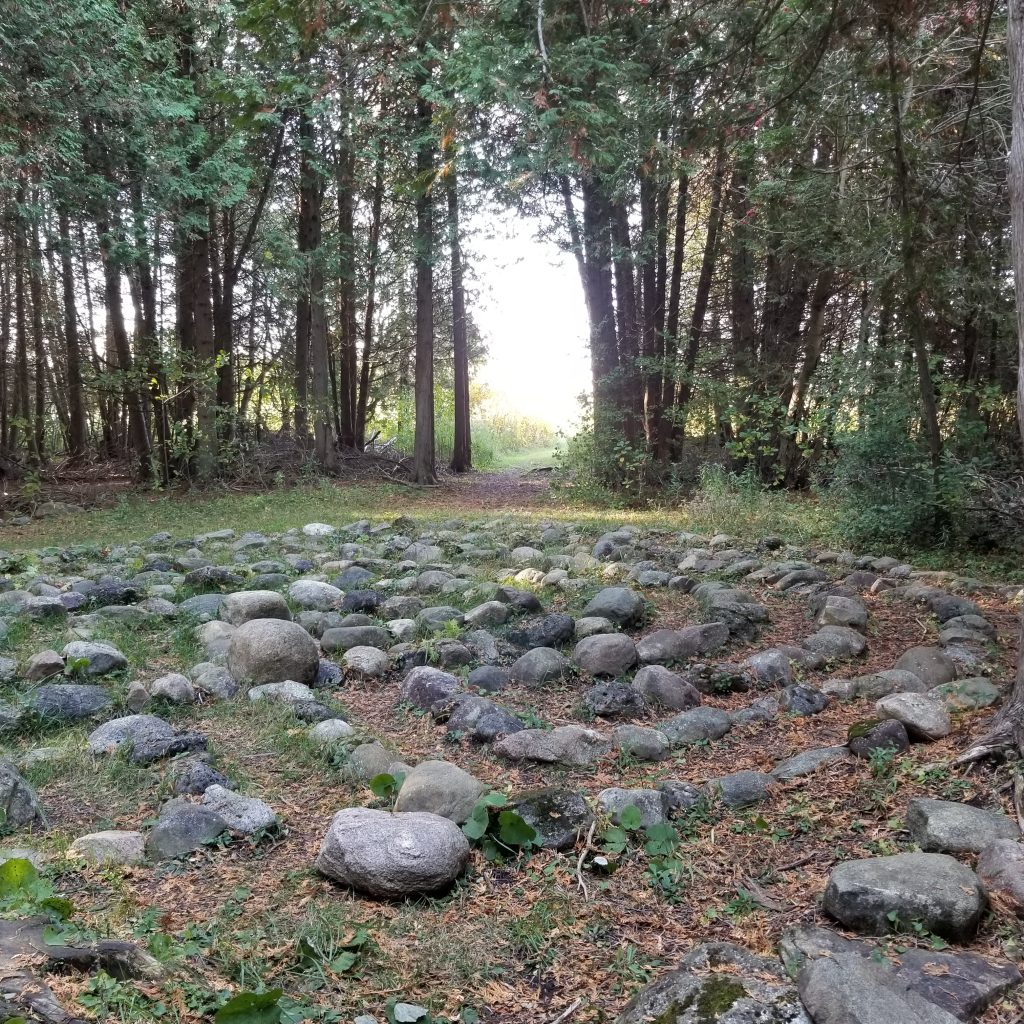
We also look after extensive conservation lands. In addition to the Old Growth Forest project, which is ninety-two acres, we have about 150 more conservation acres on the west side of the property. This includes provincially significant wetland, floodplain, and other non-arable or undeveloped areas. Some are already under active management, such as invasive species control, and others are designated for future restoration.
We tend the land with a clear view toward preserving and improving it, for this generation, for future generations, and for public benefit, since our lands are open to the community.
But we have not extended the same degree of care and reciprocity to the built structures on the property, nor to the health of our organization in a way that matches how we care for the land.
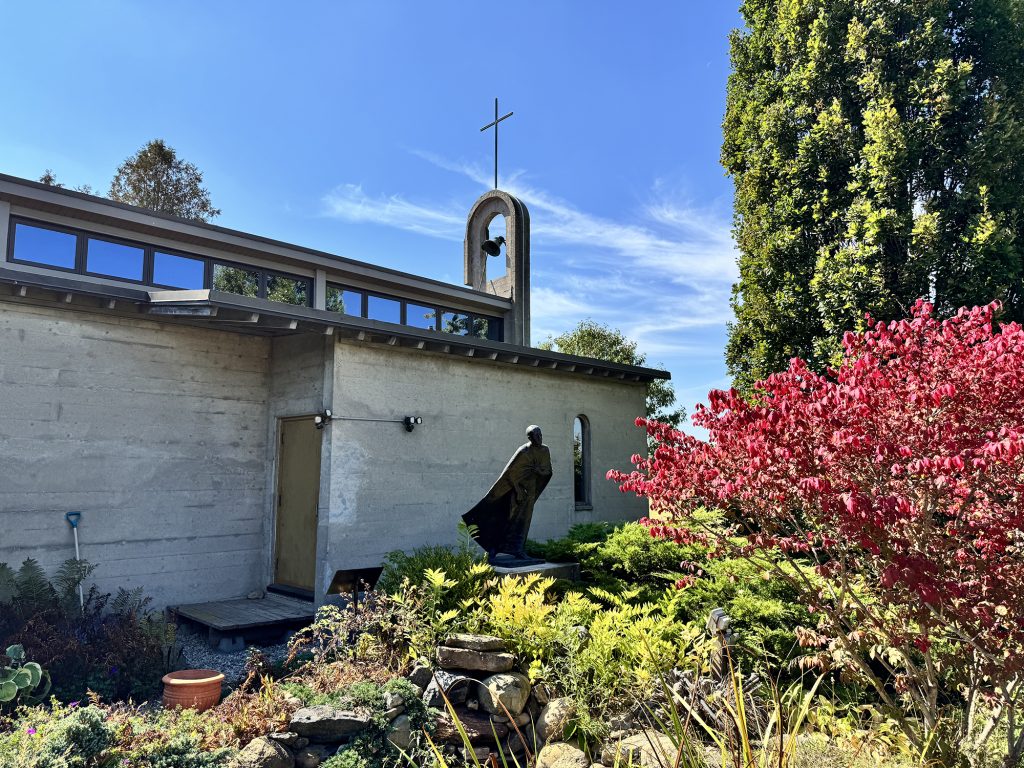
Starting with the buildings: many are decaying after years, sometimes decades, of deferred maintenance. The most visible is Orchard Park, the former Saint Stanislas Novitiate. Construction began in the 1930s, and after several additions, it reached its current form in the 1950s. For many years after it stopped being used as a novitiate, it was rented out as an office building. It most recently hosted a mix of private schools, therapeutic practitioners, nonprofits, and small alternative businesses.
Unfortunately, Orchard Park began falling into disrepair in the 1980s. A series of incomplete roof repairs left water intrusion, and certain floors had to be closed because remediation was unaffordable. Over the years, the problem spread until the building had to be vacated entirely earlier this year. Its most likely future is demolition in the next year or two.
Other structures have followed similar paths. Some fell into decline because they truly had no conceivable future use, such as the swimming pool behind Orchard Park, which we could not continue to operate once lifeguard services became mandatory. Others, like some of our barns, the “Old Apple Storage” building near the farm office, and the greenhouse, are in need of significant and costly repair or renovation.
Loyola House has fared best, because it has been busy with retreats year-round, houses the Centre’s offices, and has benefitted from a dedicated community of generous donors. But even Loyola House requires constant attention. Recently we had to fix the wheelchair ramp at its entrance, which had begun to sag and become unsafe. Within the next 18 months, we will need to replace its septic system because the old one has been under considerable stress for years. Thankfully, our community has already supported this need, and the funds are in hand.
This year, as part of renewing our volunteer program, we created a small but mighty “Fix-It” group. They work weekly on the small and large acts of care our buildings, barns, greenhouses, and boardwalks require. Like all our volunteers, they make Ignatius Jesuit Centre better, safer, and more sustainable every day.
Our buildings, like the land, are central to IJC’s survival and thriving. They have provided rental income over many years; they have sheltered both religious and lay members of the community; they serve as the nexus for our spiritual and educational work, including retreats, programs, and school visits. Yet despite their importance, we have not tended them with the same consistency as the land. This is not unusual for religious and nonprofit organizations, where resources are always limited.
Sometimes I wonder whether we have thought of one kind of neglect as more permissible than another. Perhaps we have believed that human-built structures are not equally deserving of reciprocal care, since they are inanimate, or only partly part of creation. Perhaps, facing financial pressures, we felt it was right to focus care on the land rather than on buildings. There is some truth to that argument, but it cannot be sustained forever. If buildings deteriorate to the point of demolition and replacement, the cost threatens to imperil our entire mission.
As regenerative farmers know, soil improvement is never finished. Each year, each season, incremental improvements build soil health so that, over time, it becomes the best soil it can be. Looking after buildings is similar. Small problems left alone grow into large ones, a truth every homeowner knows.
While I am surrounded by an extraordinarily gifted, dedicated, and knowledgeable team, the organization, too, shows signs of wear that we are now trying to correct. In a way, I’ve come to think of the organization as being a social mirror of many of the physical realities we can observe at IJC every day.
On one hand, I have the most wonderful coworkers, many of whom have worked here for years, even decades. They carry deep knowledge of IJC’s history, know every nook and cranny of the land and buildings, and show daily a level of dedication that can only come from genuine care and connection.
On the other hand, like many long-standing organizations, IJC’s ways of working have developed over time and have sometimes remained unchanged simply because they’ve served us well for so long. Yet as the world around us evolves, it becomes essential to pause and reflect on our strategies, structures, and practices—to ensure that they continue to serve our mission and our community as effectively as possible. Flexibility and renewal are forms of care, too.
If left unattended, even the healthiest systems can begin to harden, much like once-living wood that slowly turns to stone. Petrified wood is beautiful, but it no longer bends in the wind. In the same way, an organization that isn’t continually refreshed can lose its ability to adapt. For IJC to thrive strategically, financially, and spiritually, it needs to stay open to renewal, to invite new energy and directions alongside the steadfast dedication that already sustains it.
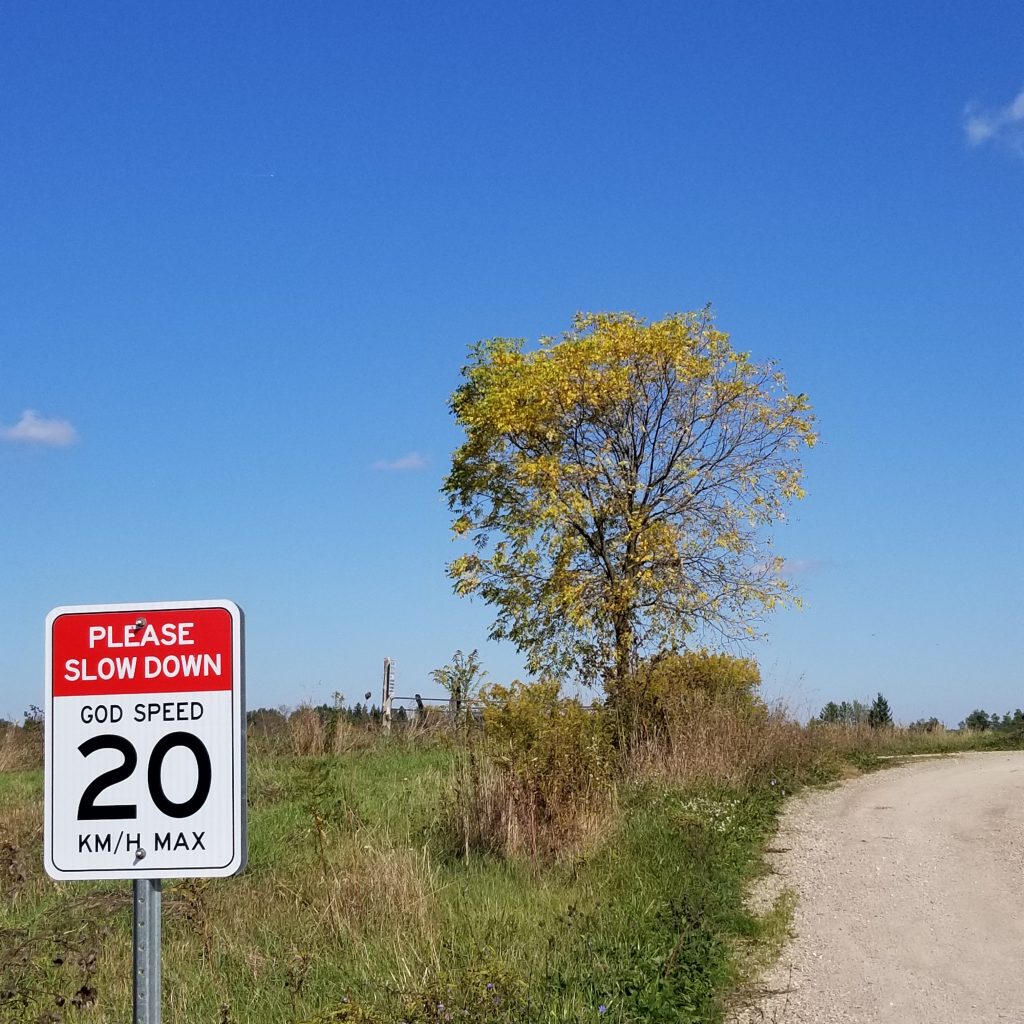
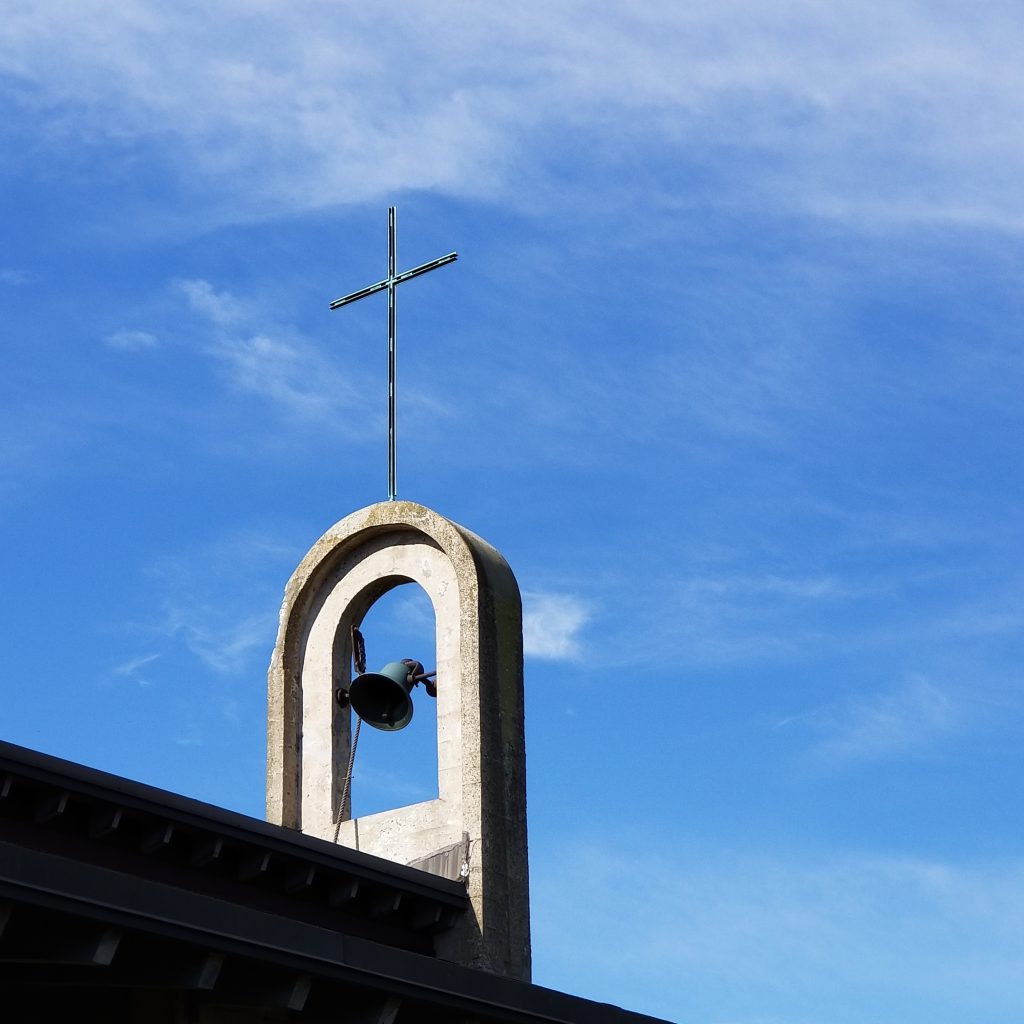
The more we learn about the interconnectedness of all living and human-made systems, the more we can see that our care must include not only the natural world but also the physical and social structures we’ve built together. At IJC, the land, the farm, the forests, the wildlife, the buildings, the roads, the community, the volunteers, the organization, and the staff are all part of one living whole. To nurture this ecology, we are called to tend both what grows naturally and what we have shaped with our own hands—each requiring attention, renewal, and care.
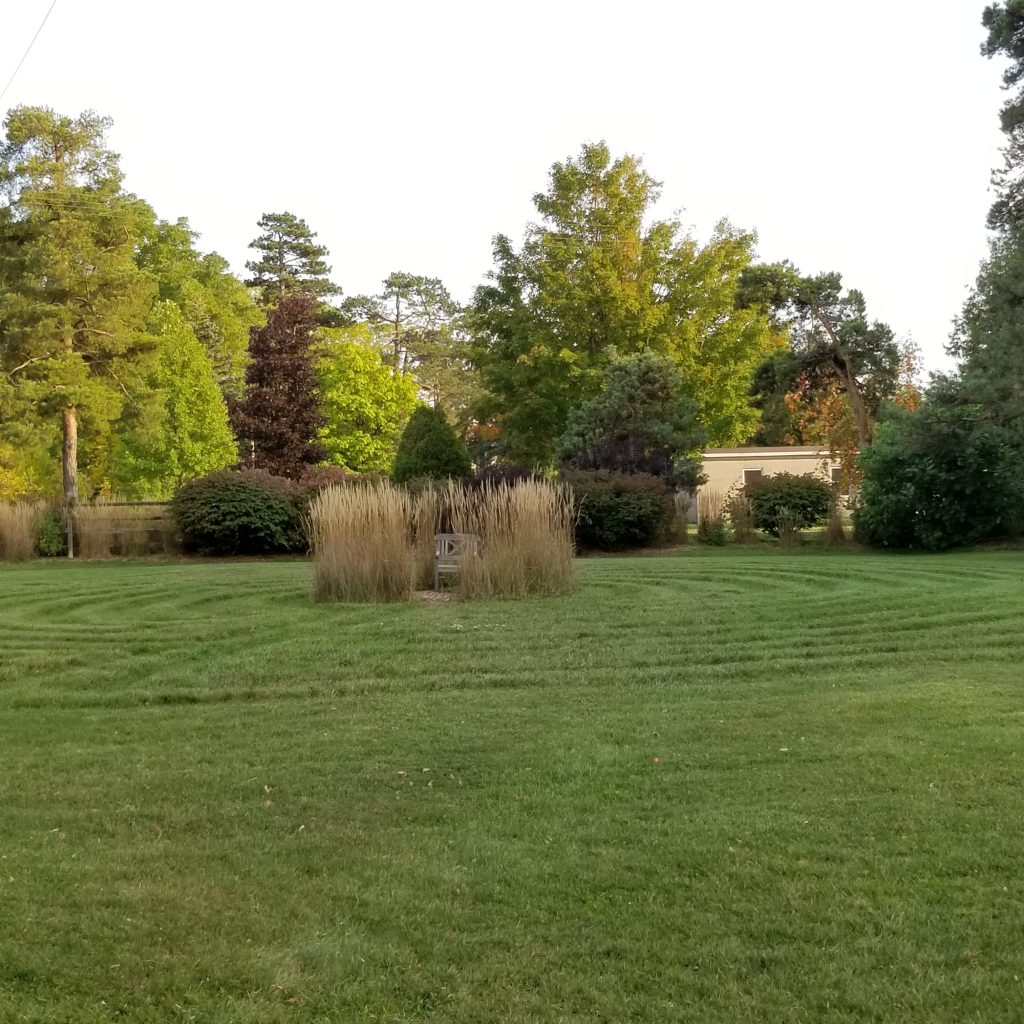
Ignatius of Loyola discerned God’s presence in both the sacred and the seemingly ordinary aspects of life; “God in all things,” we often say. Fixing a hinge on a barn door; caring for a wheelchair ramp; tending a garden; mowing the grass; removing snow in the winter; picking up a piece of litter; carefully stepping around one of the thousands of little frogs that joyously leap across the trails as you walk them; connecting with other community members; building new strategies and partnerships to ensure the future of Ignatius Jesuit Centre—each of these might seem disconnected from the next at first glance. But each of these activities requires the exercise of care; care so that IJC survives and thrives and care so that all of creation benefits from this magical place, in this and all future generations.