The fifth in series of blog posts for Lent from Sr. Madeleine Gregg, fcJ
As part of the created world, human beings rely on other created things to support us. The generosity of God towards us is communicated to us through the generosity of the created world in meeting our needs and providing for us. Earth’s atmosphere, soils, fresh water, and sunlight are the foundation of all life on this planet. Ecosystems, rich in diversity of plants and fungi, offer medicine, as well as food. They also act as carbon sinks, currently absorbing about half of all human-produced carbon emissions and protecting the planet from more severe climate change. The fact that human life depends on the life around us underscores the importance of returning degraded air, water, and soil to healthy states.
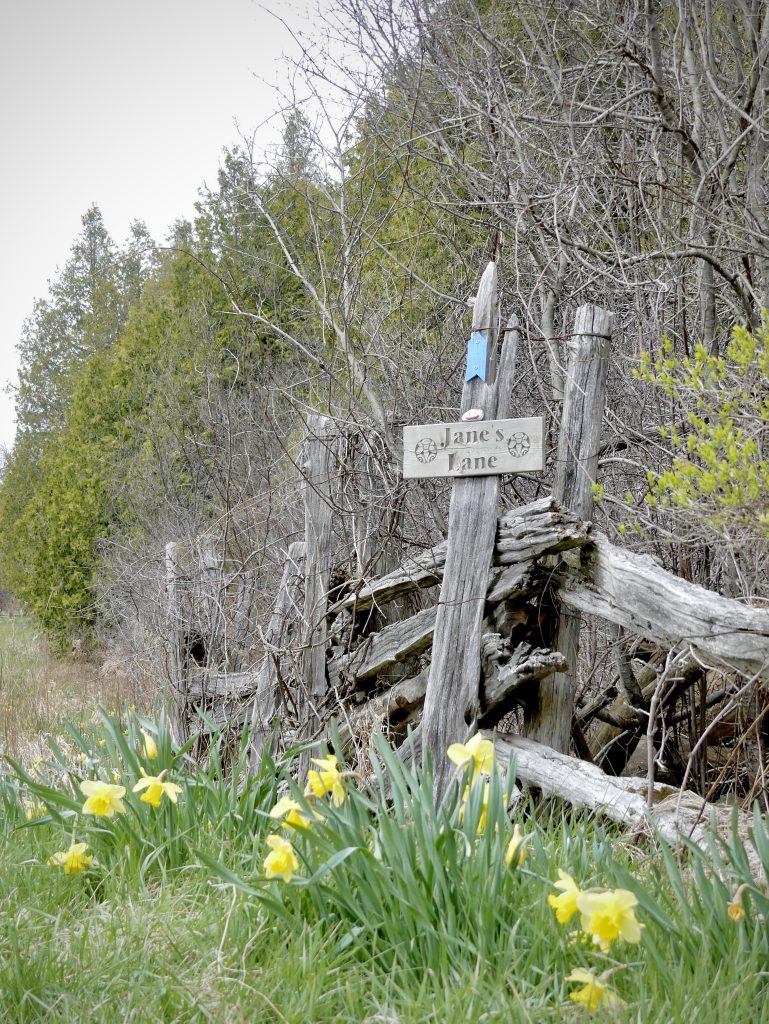
Have you been aware of these ideas? Are you grateful for all that has been freely given?
The natural world provides for our needs, but it cannot sustain unlimited greed. We absolutely need to move from a “take” mentality to one of reciprocity and care. Part of how we respond is to pray, to speak with God, the merciful one, crying out in wonder and deep emotion. But our cry of wonder is tempered today by an equal cry of horror as we realize the ways in which we are not collaborating with God in the good government of our environment. This is the first part of the Ecospiritual perspective’s dynamic: prayer.
But it doesn’t stop with prayer because when we deny our right relationship with creation, we are denying our relationship with God, the source of life. And, cut off from God, we permit ourselves to destroy life and treat it with disrespect (people included, of course). In the Book of Proverbs 12:10 we read, “The virtuous one looks after the lives of his beasts, but the wicked one’s heart is ruthless”. By attributing caring concern for animals to the virtuous, Scripture affirms that a correct relationship with God is reflected in respectful relationship with the environment and with all with whom we share our common home, whether living or non-living, whether human or other than human, whether plant or animal.
What do you do in your life to grow in right relationship with all of creation? Do you feel reverence and gratitude for the living and non-living beings with whom you share this planet?
This is the backdrop of the Lenten season, the call to repent of our sins, whether personal or communal, to repent of our complicity in the global injustice of exploitation and destruction of the environment. This is the second part of the Ecospiritual perspective’s dynamic: facing our personal and societal sinfulness, that is, how our choices have contributed to the suffering of others, to the degradation of our planet’s ecosystems.
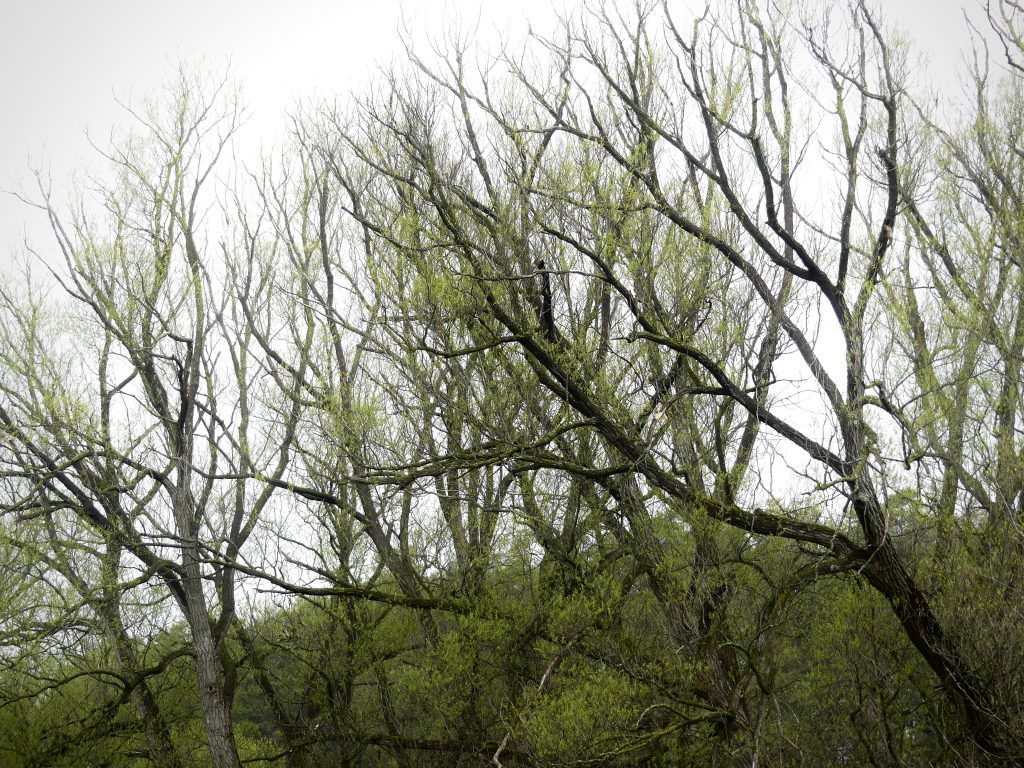
And, again, it cannot stop there, at coming to a recognition of how we have disregarded others. We have to take action. What that means will vary considerably, depending as it does on our health, strength, material resources, and location. Our ability to act also depends on being connected to a community of people who can support us in taking action.
That is part of the rationale for the new Jesuit ministry at Ignatius Jesuit Centre—the establishment of a Centre for Integral Ecology. We want to be part of your support network, in helping you respond to the urgent need of our time for ecological restoration and regeneration of soils, ecosystems, the water cycle, the atmosphere, and animal populations. We hope to offer programs that will not only inform, but also give you a chance to work and hike and garden this land. We want to inspire you to join us in taking action on behalf of our planet.
We invite you come, if only through the internet, to participate with us in what “geologian” Thomas Berry, CP called “the great work.” We invite you to ecological conversion and the development of an ecospiritual perspective on life.