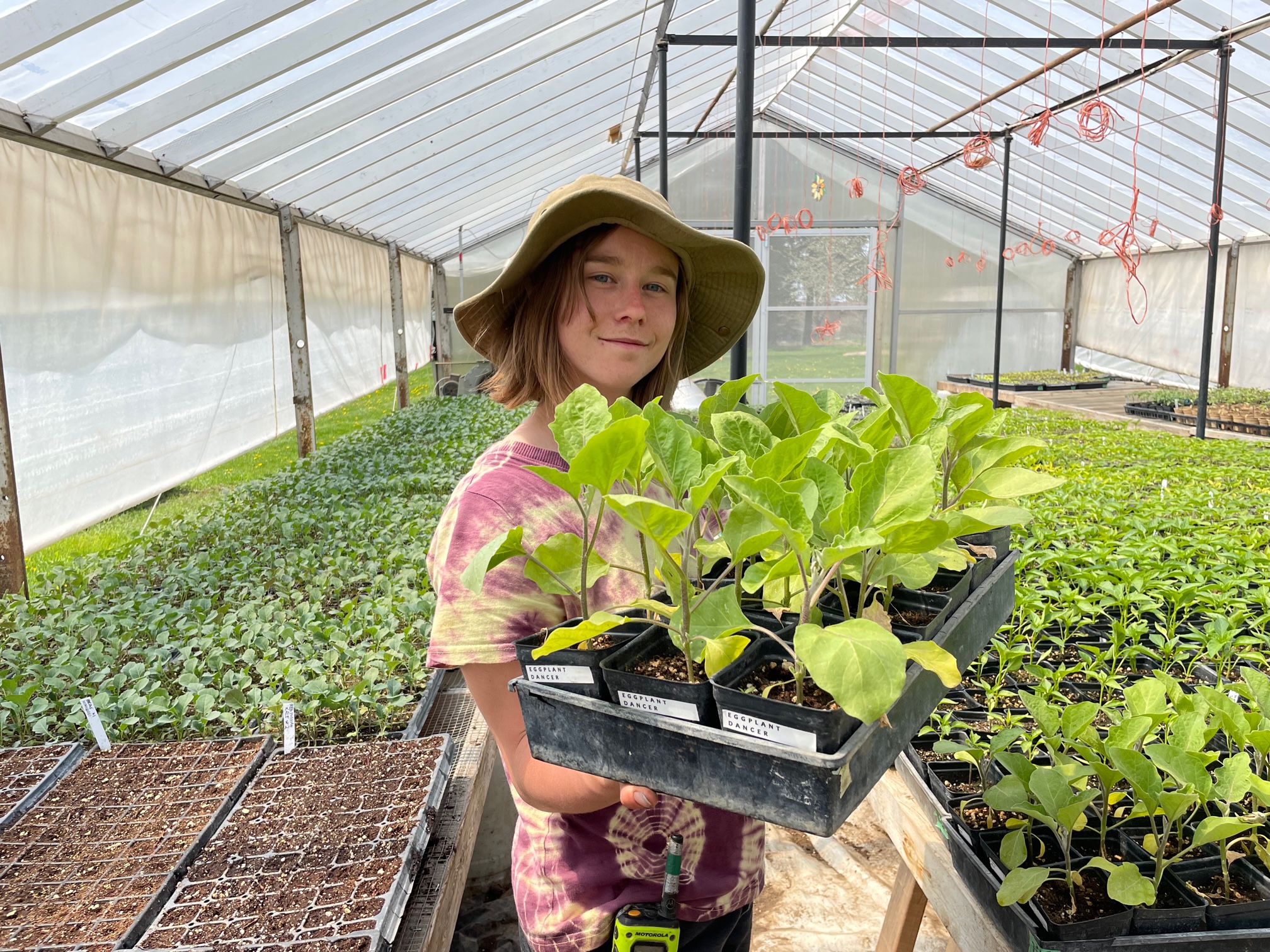
Ignatius Farm is part of the Ignatius Jesuit Centre in Guelph, Ontario. For more than 20 years, the farm has been a hub for Community Shared Agriculture (CSA), farmer training, and community gardens, and hosting tenant farmers who share our values. We work alongside the Land department to integrate farming with conservation and land restoration, cultivating food in ways that care for both people and the planet.
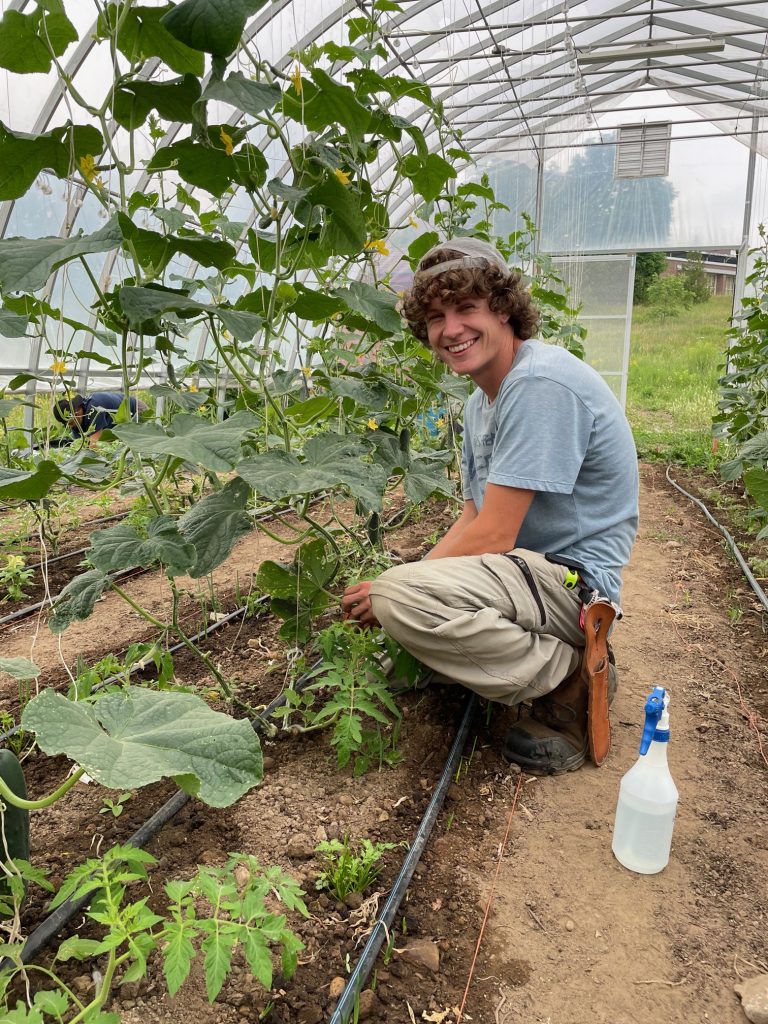
These days, it can be confusing to understand how your food is being grown. Organic, regenerative, ecological… so many labels to keep track of. At Ignatius Farm, we use all of them!
Here’s a short dive into the different terms, how they overlap and differ, and how we use them at IJC.
Ecological farming is an approach to agriculture that emphasizes working with natural processes to enhance soil health, biodiversity, and resource conservation, while minimizing negative environmental impacts. It prioritizes the long-term health of the ecosystem over solely maximizing yields, and often incorporates practices like crop rotation, cover cropping, and reduced tillage. Many other types of farming that minimize our impact on ecosystems fall under the ecological umbrella, such as organic and regenerative farming.
Ignatius Farm began working with ecological principles more earnestly in the 1990s.
Organic agriculture is a holistic farming system that prioritizes ecological balance and biodiversity, avoiding the use of synthetic pesticides, fertilizers, and genetically modified organisms. It focuses on building healthy soil, promoting animal welfare, and minimizing environmental impact through sustainable practices. Farms can follow organic principles whether or not their crops are certified organic.
In Canada, the use of the word organic is regulated by the Canadian Food Inspection Agency and tied to organic certification, which affects how organic foods and products are labeled and marketed.
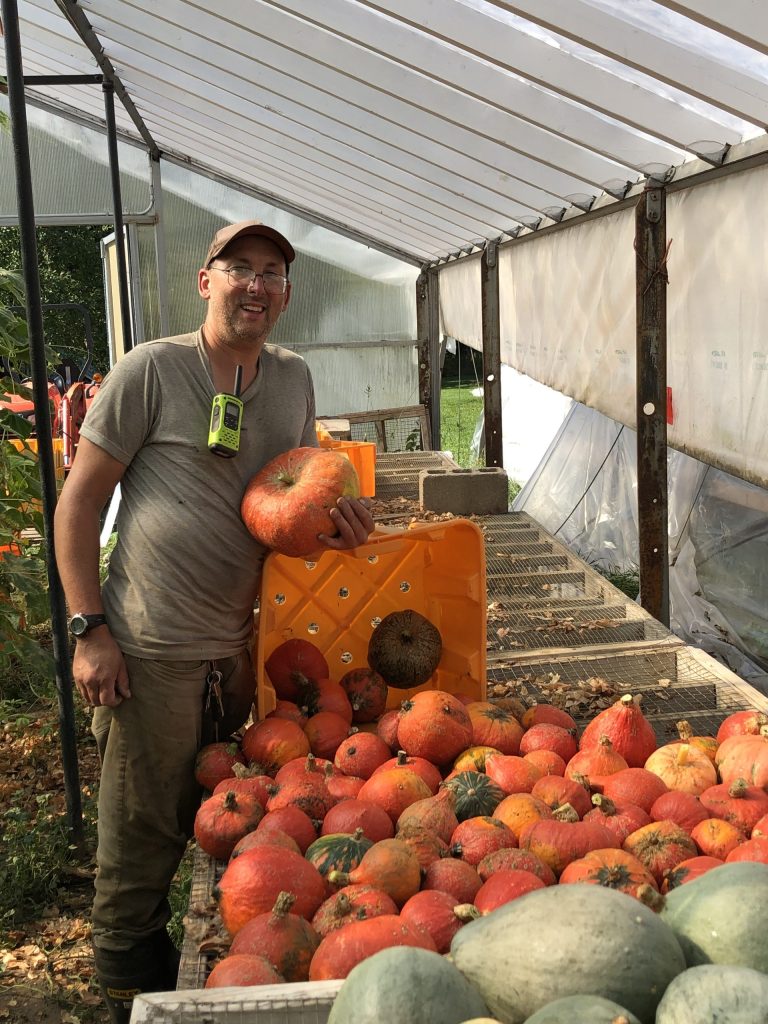
All Ignatius Farm activities—including those of community gardeners and farm tenants—are required to meet the Canadian Organic Standard as their minimum ecological practice. A few tenants choose to undergo organic certification for their crops. Ignatius Farm CSA crops were certified organic.
2025 is the first year in more than 20 years that Ignatius Farm is not selling certified organic crops. We are still practicing organic agriculture, but the crop volume we grow for Loyola House and for minor donations does not warrant the cost of certification or the level of documentation required. Since the term organic is regulated and tied to certification, we are careful in how we use it when selling crops that are not certified.
Regenerative agriculture is also a holistic approach to farming, focusing on rebuilding and revitalizing ecosystems. It emphasizes improving soil health, increasing biodiversity, and enhancing the overall health of the farm and surrounding environment. This is achieved through practices that promote carbon sequestration, improve water management, and reduce reliance on synthetic inputs. Note the distinction: regenerative agriculture reduces reliance on synthetic inputs, whereas organic agriculture avoids them altogether. The term regenerative is not regulated in Canada.
Farms can combine organic and regenerative practices to become “organic regenerative certified,” meaning they are vetted for implementing practices that enhance soil health, promote biodiversity, and improve animal welfare, while also considering social fairness and economic viability.
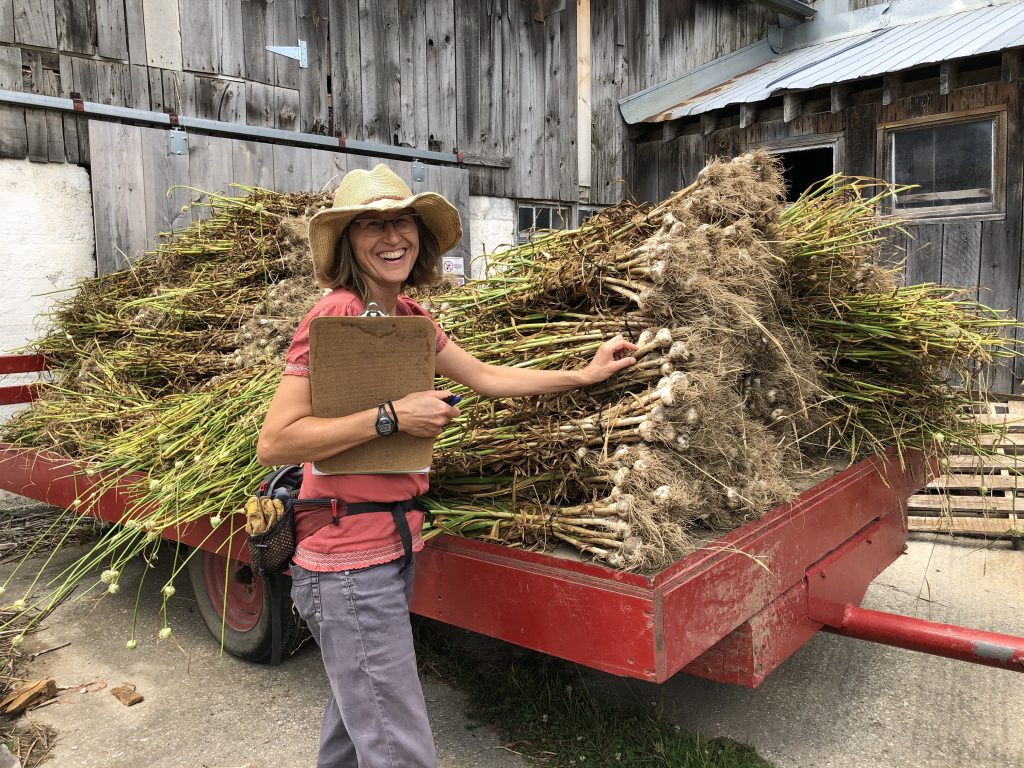
Regenerative and organic practices are an ideal ecological combination. At Ignatius Farm, we use a mix of tenant and in-house enterprises to enable this combination. Renting the CSA fields to a forage farmer to regenerate after years of vegetable rotations is a perfect example. The recent integration of the Land and Farm departments for more holistic land-use planning strengthens our capacity to combine regenerative and organic practices. We aim to expand both our organic and regenerative ecological practices—whether we certify or not.
The best way to know how your food is being grown is to get to know your local farmers. Ask questions, tour their farms, learn how they care for the land, and support them generously for their care.
At Ignatius Farm, integrating organic and regenerative agricultural practices reflects our commitment to integral ecology—a vision that recognizes the deep interconnection between care for the earth and care for the human spirit. Rooted in IJC’s mission, integral ecology calls us to engage with the land in a relationship of reciprocity: receiving its abundance with gratitude and returning that gift through practices that restore and sustain its vitality. Regenerative organic agriculture aligns with this call by healing soils, fostering biodiversity, and working in harmony with natural systems, nurturing the land as the land nurtures us.