This update was first shared in person at our Winter IJC Gathering and potluck, where friends, neighbours, volunteers, staff, and partners came together around shared food and good company. It was an evening marked by warmth, curiosity, and a deep sense of care for this place and what it is becoming. What follows is a written version of that reflection, offered here for those who couldn’t join us, and for anyone who is walking alongside Ignatius Jesuit Centre during this season of change.
Over the past year, we have been letting go of familiar structures while slowly giving shape to something new. That work can feel uncertain at times, and it also carries a lot of hope. This update is meant to offer a clear picture of the direction we are moving in, what has been happening behind the scenes, and what is beginning to take root.
Where We Are in the Transition
When we gathered in the fall, we shared that Ignatius Jesuit Centre is in a season of real change. With the closure of residential retreat programming at the end of 2025, we are now in the process of becoming something new: a place-based ecological education centre rooted in care for this land.
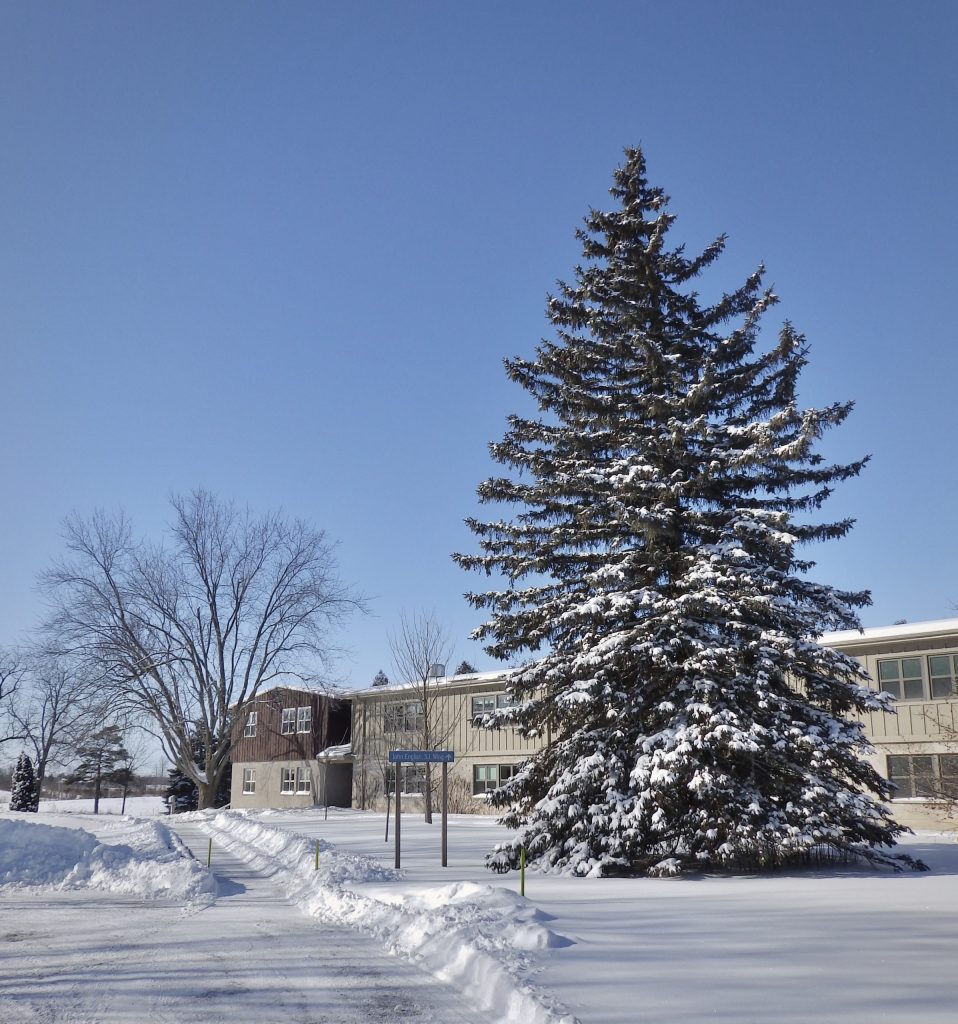
This vision is continuing to take clearer shape around three interconnected pillars:
Ignatius Farm: an organic and regenerative agriculture teaching farm focusing on new farmer training and food access.
Conservation: active ecological stewardship of forests, wetlands, trails, and grasslands, with a possible long-term vision of teaching conservation.
Integral Ecology: the development of a Laudato Si’-inspired field school that brings spiritual reflection into dialogue with hands-on land care.
Rather than offering programs that simply take place on the land, we’re becoming a place rooted in experiential learning, where people learn with the land through hands-on practice, reflection, and relationship. The land is not a backdrop, but an active partner in how we teach and learn here. This transition is about aligning our mission, our staffing, our partnerships, and our resources around that reality.
We are still very much in the building phase. Some things are being tested. Many things are unfinished. But the direction is becoming clearer and more coherent as we come together to do this work.
What’s Been Happening
Since we last gathered, a lot of groundwork has been laid:
Staff and leadership have been focused on translating the new mission into practical structures. We worked on budgets, staffing models, program design, and funding strategies that actually support this direction. We’ve been writing grant applications, connecting with old and new partners, working towards developing a cohesive strategy, and exploring how these programs will be piloted and rolled out of the course of the year.
Conservation work has continued across the land with trail maintenance, forest care, as well as early planning for larger restoration and invasive species projects. Our active volunteer base has been a tremendous help to staff through weekly work bees that have been taking place throughout the fall. We are planning for work to continue in February and beyond, as the 2026 season ramps up.
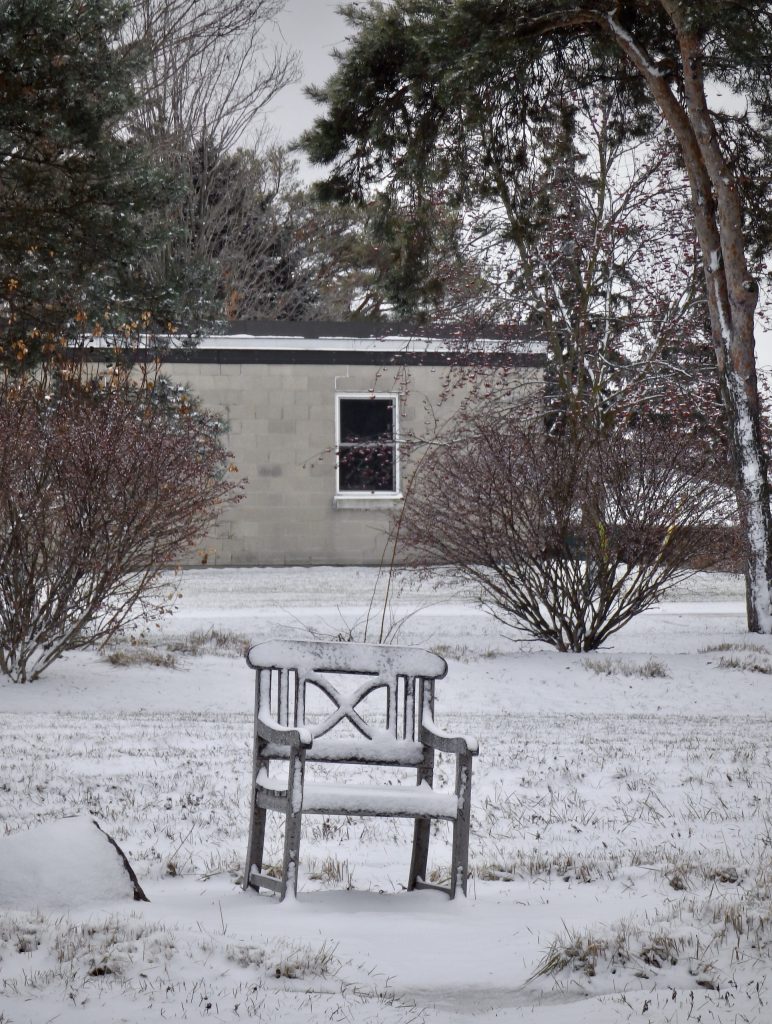
At the Farm, planning for new farmer training has been moving forward with real work happening around curriculum, partnerships, and how learning on the land will look in 2026. We have been exploring partnerships and funding models for the development of a crop bank which would see produce from Ignatius Farm donated to distribution centres in Guelph like Hope House, the SEED, Chalmers, and the Food Bank, ensuring that folks who need it most have access to locally grown healthy food.
The Centre for Integral Ecology has been quietly but steadily taking shape. A small working group has been meeting regularly, researching existing models and curricula, and beginning to map what education looks like from an integral ecological perspective.
This work is deeply connected to what’s already happening on the land through the Farm and Conservation programs, and is being designed to integrate with them rather than sit alongside them. We’re hoping to pilot some early programming this year, but this is very much a foundation-building season. We’re developing something that is essentially new, and we’re taking the time to do it well.
We’ve been in active conversation with Eli’s Place, a community-based organization whose work closely aligns with our values around healing, accompaniment, and integrated care. Eli’s Place supports people living with mental-health challenges through long-term, relational, and holistic residential programming rooted in dignity, stability, and community. We currently have a Memorandum of Understanding in place and are working toward formal contractual agreements, as we explore whether Loyola House could become a home for this work. A central part of these discussions has been Eli’s Place’s interest in integrating meaningful farm work and participation in our land-restoration and conservation activities into their therapeutic approach, linking mental-health support with grounded, place-based engagement. This phase of work has focused on mutual discernment and on working through the practical, legal, and programmatic details needed to ensure a strong, mission-aligned partnership.
We’ve been refining how we communicate who we are. This includes preparing a new version of our website, clearer language, and a stronger sense of how to invite people into this next chapter. We’ve restructured our newsletter communications to create a cohesive message no matter how folks are connected to IJC. We are also communicating more regularly and clearly with our donors, internally as staff, with volunteers, and with our Advisory Groups.
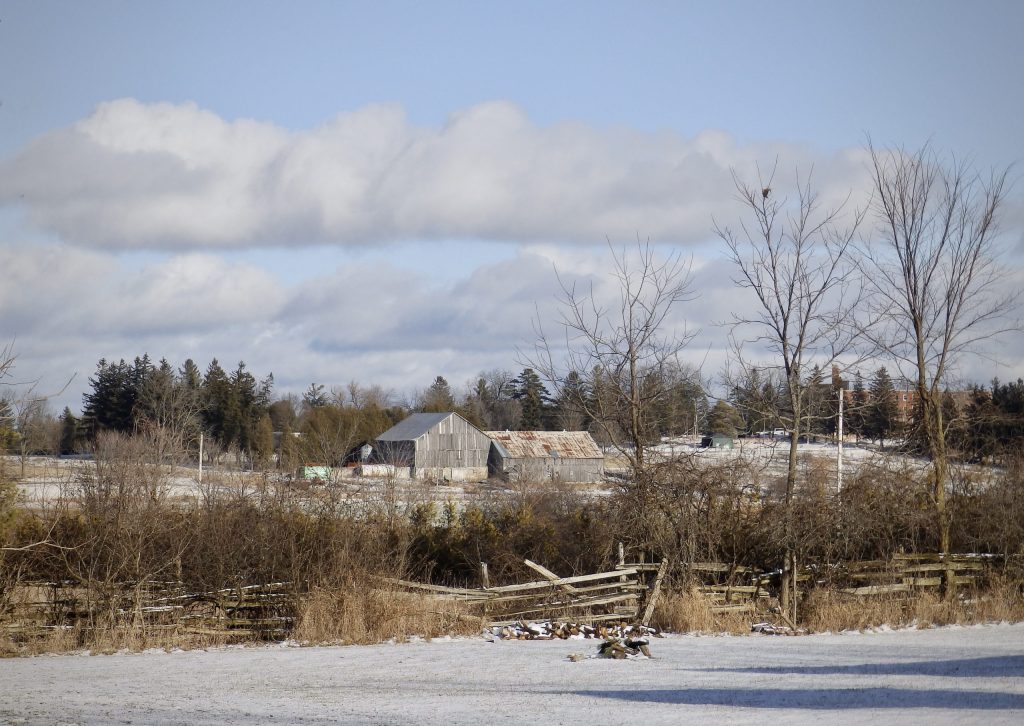
We are actively exploring the possibility of adaptive reuse of the Orchard Park building with experienced, mission-aligned affordable-housing and redevelopment firms. Rather than defaulting to demolition, this work is about understanding whether Orchard Park could be renewed and repurposed for a different, socially valuable use over the long term.
These conversations are exploratory, but they reflect a commitment to stewardship, sustainability, and making careful decisions about the future of our built assets.
We have a new portable classroom located near St. Brigid’s Villa, provided through a partnership with the Wellington Catholic District School Board. This space will support the delivery of their Terra program this year and into the future, and will also be available for IJC programming during non-class hours and days. It adds much-needed flexible learning space to the site.
Alongside program and site development, we have been working through a backlog created by IJC’s recent financial challenges. This includes catching up on bookkeeping and accounting work from previous months while putting in place more reliable financial systems and processes. This work is largely behind the scenes, but it is essential to restoring stability and ensuring IJC is well supported going forward.
We are also in the process of upgrading our telephone and communications infrastructure to improve reliability, particularly during severe weather and power disruptions. Strengthening these systems is part of ensuring that staff, partners, and the wider community can stay connected to the Centre when it matters most.
We’ve also been building internal systems to better support this transition, including how volunteers are engaged and supported, how programs are coordinated between staff, and how we steward relationships with partners. The change to these systems is both intentional and designed to be flexible with feedback loops in place so that we know when to pivot and can do so easily when needed.
A lot of this work is invisible. It doesn’t always look like “programming” yet. But it’s foundational. It’s the scaffolding that will make everything else possible moving forward.
What’s Coming Next
The next stretch is about moving from internal planning into more visible, lived expression of this new direction.
You’ll begin to see the transition reflected more clearly in our public presence, especially through the new website, updated language, and clearer invitations for people to engage with Ignatius Jesuit Centre through new offerings. This is about helping people understand who we are becoming and how they can belong here.
We’ll continue developing the Centre for Integral Ecology, moving from research and visioning into building out programming ideas with a view to offering early pilots. That includes shaping curriculum, identifying facilitators, and testing what land-based, spiritually grounded ecological education can look like in practice. These early offerings will be small and experimental by design, helping us learn what works before we scale.
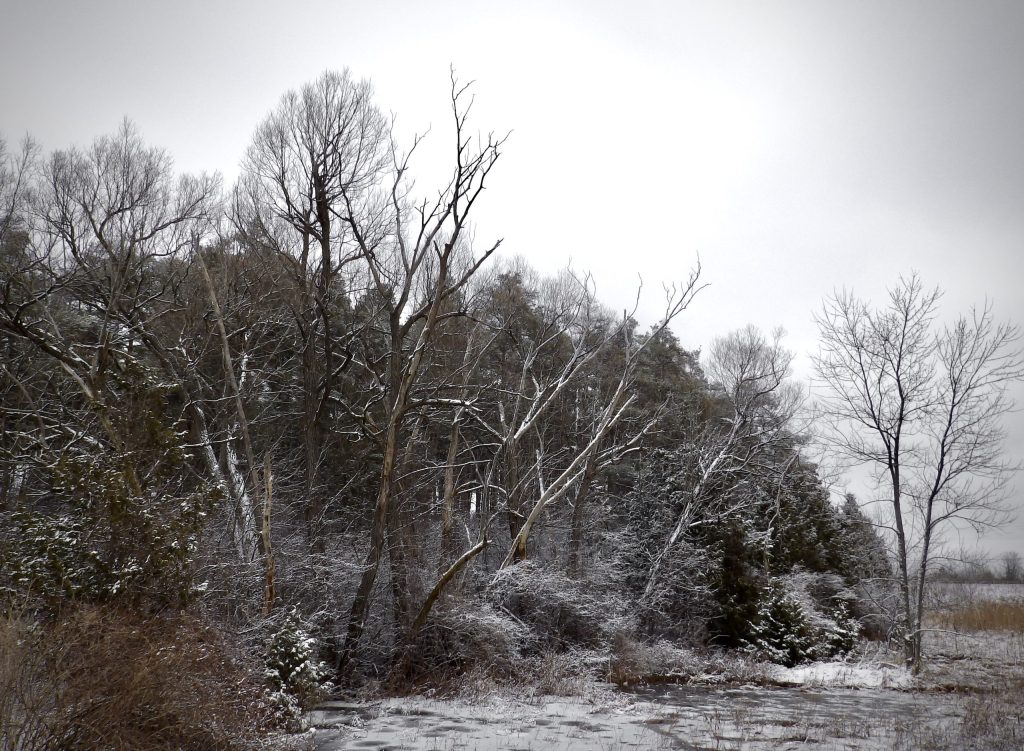
Conservation work will become more visible and more intentional on the land, with mapping, training, and restoration efforts taking shape. This includes the early stages of building out the Ignatius Corridor through detailed mapping and species inventories, alongside advancing invasive species management and habitat restoration. At the same time, we hope to begin developing conservation education as a program area in its own right for the first time at Ignatius Jesuit Centre. This means designing learning experiences that help people understand local ecosystems, practice field skills, and engage in long-term stewardship. Participants will not only take part in the work of caring for the land, but will learn how to read a landscape, track change over time, and make thoughtful, informed decisions about ecological health.
At the Farm, the focus will be on strengthening pathways for learning and participation in regenerative agriculture. This includes a new winter webinar series, laying the groundwork to bring back internship opportunities in 2026 or 2027 through volunteer-based placements, and deepening partnerships that expand access to hands-on agroecological education. We’ll also be developing the crop bank concept in more detail as a way to support both new farmers and community food access, and inviting community members into meaningful ways of sustaining this work. Together, these efforts reflect a shift toward the Farm as a living classroom where food production, learning, and care for the land are inseparable.
Over the next four months, a significant portion of our work will focus on advancing our partnership with Eli’s Place. This will include continuing contract negotiations, as well as planning and beginning targeted renovations to Loyola House to make the building better suited to Eli’s Place’s residential and therapeutic programming. We will also be preparing to restart the kitchen operation later in the year, in anticipation of tenancy beginning in the late summer or early fall. Alongside this, we will be undertaking a small number of adjustments to IJC’s office wing of Loyola House to make it more self-sufficient and less dependent on shared kitchen and dining facilities. Together, this work is about ensuring that the building can function well for two distinct but complementary uses, in a way that is operationally sound and mission-aligned.
We’ll also be giving shape to the Friends of Ignatius community program as a primary way people can build an ongoing relationship with this place. This includes creating clearer pathways for involvement through gatherings, volunteering, and seasonal invitations to participate in the life of the land. The goal is not just to welcome visitors, but to nurture a community of people who feel a sense of belonging here and a shared responsibility for the care and future of Ignatius Jesuit Centre.
This season is about building momentum in a way that is faithful to our values. Not rushing toward growth for its own sake, but laying roots: creating programs that are thoughtful, relationships that are real, and structures that can hold what’s emerging.
We’re holding this next chapter with a lot of care for what has come before. Loyola House and the retreat ministry shaped generations of people, and that legacy still lives in this place and in this community. What we’re doing now is building on that story and asking how Ignatius Jesuit Centre can continue to serve in a faithful way in a changed world. We’re listening closely to the land, to the needs around us, and to one another as we discern what comes next. This is work that honours the past while opening space for something new to take root, and it’s work we can only do together.